
What Is Landscape Paintings
📖 Table of Contents
- What Are Landscape Paintings?
- The Role of Nature in Landscape Paintings
- Landscape Paintings as a Travel Inspiration
- The Influence of Light and Color in Landscape Paintings
- How to Appreciate Landscape Paintings
- The Evolution of Landscape Painting
- The Emotional Impact of Landscape Paintings
- Make It Your Way
- Frequently Asked Questions
I still remember the first time I stood on a windswept hill in the Scottish Highlands, sketchbook in hand, trying to capture the way the sun broke through the clouds like a golden thread. It wasn’t just the beauty of the landscape that struck me, but the way it felt—it was alive, dynamic, and full of stories. Landscape paintings, as I’ve come to understand them, are not just images of nature; they are portals into the soul of a place, painted with the precision of a traveler who has seen it all and feels something deep when they see it again. Whether it's the jagged ridges of the Swiss Alps or the gentle curves of a New Zealand beach, these paintings hold the essence of a destination in a way that words often can’t.[2]
Over the years, I've spent countless hours wandering through galleries and museums, tracing the brushstrokes of artists who have painted everything from the misty valleys of the Dolomites to the sun-scorched deserts of Namibia. What I’ve learned is that landscape paintings are more than just art—they’re a bridge between the viewer and the place they depict. They can transport you to a location without ever needing to leave your living room, or help you plan a trip with the same vividness as a photo. And for travelers, they’re a unique way to experience the world through the lens of someone who has already been there, who has seen the light at sunrise and the shadows at dusk. Who has tried to translate that into color and form.[3]
If you're like me, you've probably found yourself in front of a landscape painting, staring for minutes, trying to imagine the place it came from. That’s the magic of landscape paintings—they can make you feel like you’ve been there, even if you haven’t. Whether it’s a 19th-century painting of a French countryside or a contemporary piece of a coastal town in Portugal, these works of art are a testament to the power of place. And as I continue to explore the world, I find that the best landscape paintings are the ones that make me want to pack my bag, pick up my sketchbook. Go see the real thing for myself.[4]
Why You'll Love This Journey Through Landscape Paintings
- Experience the world through the eyes of artists who have walked its paths and painted its skies.
- Gain a deeper appreciation for the places you visit, whether you're planning a trip or reflecting on one.
- Discover a new way to explore destinations, even if you can’t travel there in person.
- Inspire your own creative journey with the beauty and detail found in landscape art.
What Are Landscape Paintings?
As of September 2026, at its core, a landscape painting is a visual narrative of a place, often depicting mountains, valleys, rivers, forests, or seascapes. These works of art can range from highly realistic portrayals to abstract interpretations, but they all aim to evoke a sense of place and emotion. Whether it's a detailed depiction of the Swiss Alps or a simple brushstroke of a desert sky, landscape paintings offer a window into the soul of a destination.[5]
Many of the most famous landscape paintings were created by artists who traveled extensively, capturing the beauty and character of the places they visited. These works often reflect not just the physical landscape, but also the emotional and spiritual connection the artist felt to the place. For example, a painting of a mountain range might convey a sense of grandeur, solitude, or even peace, depending on the artist's brushwork and color choices.
Landscape paintings are not just for art lovers—they’re a powerful tool for travelers looking to plan a trip or reflect on one they've already taken. They can inspire a journey, provide a sense of direction, and help you understand the atmosphere of a destination before you even step foot on its soil.
When visiting a gallery or museum, take time to study the details of each painting. Look for the brushstrokes, the lighting, and the colors—these can all tell a story about the place the artist was trying to capture.[1]
Part of our Art culture guide.
The Role of Nature in Landscape Paintings
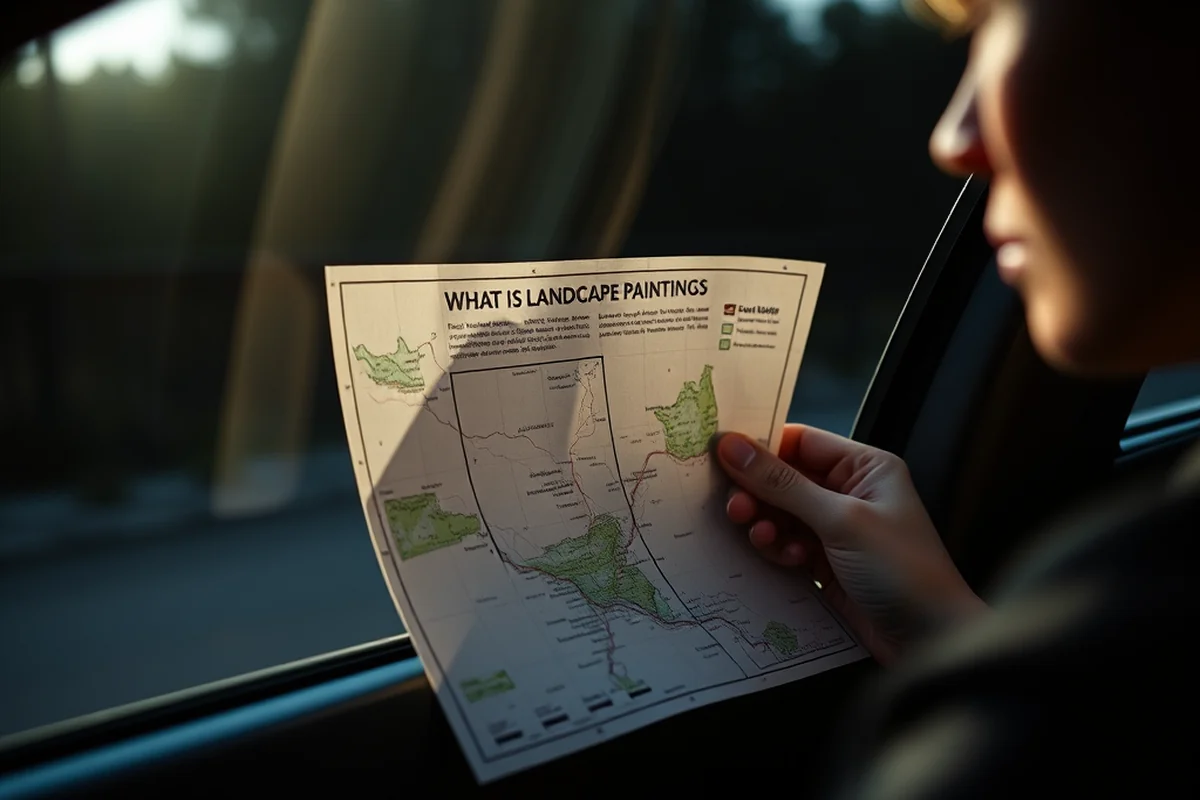
From the rolling hills of the Tuscany countryside to the rugged coasts of Ireland, nature is the primary subject of landscape paintings. Artists draw from the natural world to create images that are both realistic and emotionally resonant. Whether it's a sunrise over a lake or a snow-capped mountain range, these paintings capture the beauty, power, and majesty of the natural world.
Nature in landscape paintings is not static; it's dynamic, ever-changing, and full of life. A painting might show a calm river winding through a forest, or a stormy sea crashing against a rocky shoreline. These depictions help viewers understand the mood and character of the place, often in a way that a photograph cannot.
Landscape paintings also serve as a form of environmental storytelling. They can highlight the impact of climate change, the beauty of untouched landscapes, or the importance of preserving natural ecosystems. In this way, they are not just artistic expressions—they are also powerful messages about the world around us.
A painting is a silent scream for the beauty of the world.
Related: What is art deco
Landscape Paintings as a Travel Inspiration
If you're looking for a new place to visit, a landscape painting can be your first step. Whether it's a detailed depiction of the Norwegian fjords or a minimalist sketch of a Japanese garden, these paintings can spark the imagination and help you decide where you want to go next. They can provide a sense of what the place looks like, what the atmosphere is like, and even what kind of experiences you might have there.
For many travelers, landscape paintings serve as a kind of roadmap—guiding them to places they've never been but have already felt in their hearts. They can help you choose a destination based on the colors, the light, and the mood of the painting, rather than just a list of attractions or amenities.
Landscape paintings can also be a great way to plan a trip in advance. By studying the works of artists who have captured a particular place, you can get a sense of the best times to visit, the best places to stay. Even the kinds of activities that might be available.
Look for collections of landscape paintings from different regions of the world to find inspiration for your next trip. These can be found in museums, art galleries, or even online.
“I still remember the first time I stood on a windswept hill in the Scottish Highlands, sketchbook in hand, trying to capture the way the…”— Arts and Culture Travel editors
Related: A is for clip art
The Influence of Light and Color in Landscape Paintings
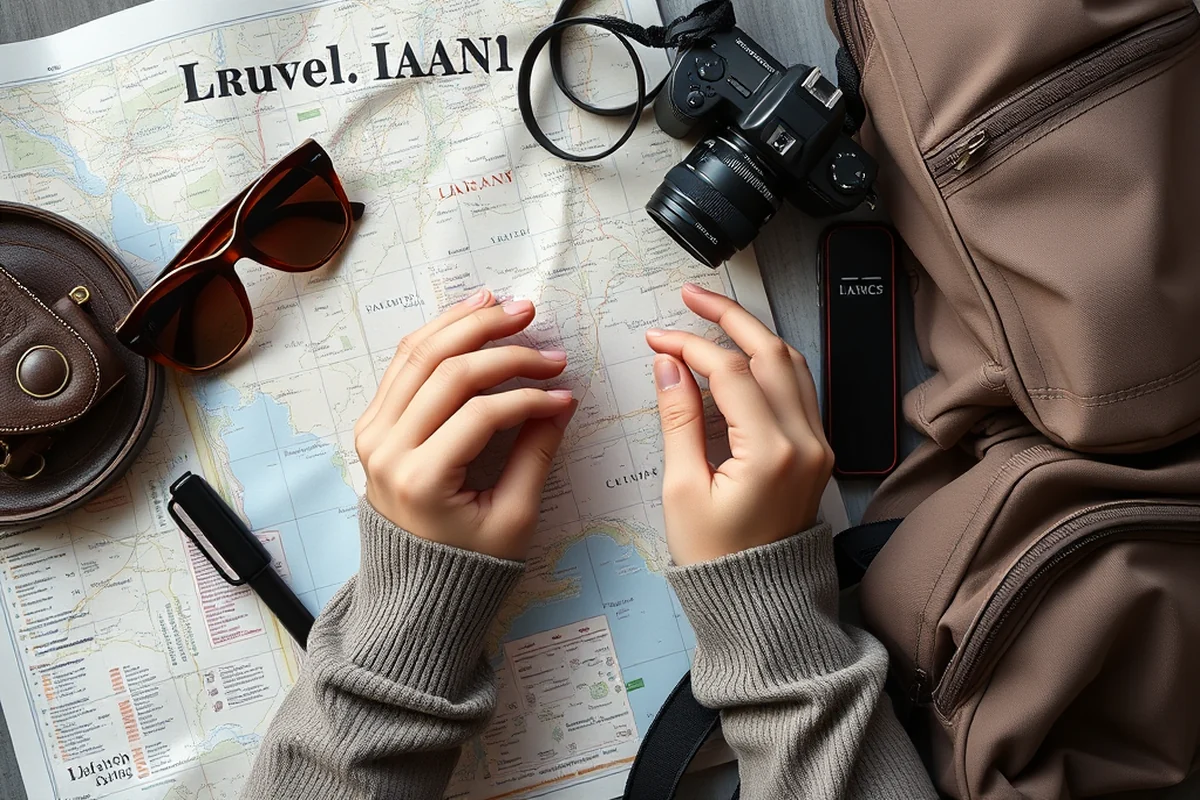
The way light interacts with a landscape can completely change the mood of a painting. A sunrise over a mountain range might be warm and inviting, while a sunset could be cool and mysterious. Artists use different colors and lighting techniques to convey emotions, time of day, and even the seasons.
Color is another essential element in landscape paintings. Warm colors like reds and yellows can evoke feelings of energy and life, while cooler colors like blues and greens can create a sense of calm and serenity. These color choices are often based on the actual landscape, but they can also be used to create a specific emotional response in the viewer.
Light and color are not just aesthetic choices—they are tools that artists use to tell a story. A painting might use bright, bold colors to show the vibrancy of a tropical beach, or soft pastels to capture the quiet beauty of a mountain village. These choices can help viewers understand the place in a deeper way.
Related: A book clip art
How to Appreciate Landscape Paintings
To truly appreciate a landscape painting, you need to look beyond the obvious and see the details that make it special. This means studying the brushwork, the composition, and the use of color and light. These elements all contribute to the overall mood and message of the painting.
It's also important to consider the artist's perspective. Was the painting created from a personal experience, or is it a more general representation of a place? Understanding the artist's intent can help you see the painting in a new light and appreciate it on a deeper level.
Finally, take your time. Landscape paintings are not meant to be rushed. Sit with them, let them speak to you, and allow yourself to be moved by their beauty and emotion. This is the best way to truly appreciate what they have to offer.
Related: Labor day clip art
The Evolution of Landscape Painting
From the early landscapes of the Renaissance to the modern abstract interpretations of the 21st century, landscape painting has come a long way. Early artists often focused on religious or mythological themes, but as time went on, they began to turn their attention to the natural world around them.
In the 18th and 19th centuries, landscape painting became a major genre, with artists like Turner and Constable leading the way. These artists used new techniques and materials to capture the changing light and weather of the natural world, paving the way for future generations of painters.
Today, landscape painting continues to evolve, with artists using digital tools and new media to create works that challenge traditional notions of what a landscape painting can be. This evolution shows that landscape painting is not just a historical art form—it's a living, breathing part of the contemporary art world.
The landscape is not just a background—it is the story.
Related: August clip art
The Emotional Impact of Landscape Paintings
There's something about looking at a landscape painting that can stir emotions you didn't know you had. Whether it's a sense of peace, wonder, or even longing, these paintings have a way of reaching into the heart and soul of the viewer. This emotional impact is one of the reasons why landscape paintings are so powerful and enduring.
Many people find that looking at a landscape painting can transport them to a place they've never been, allowing them to experience its beauty and atmosphere in a way that feels real. This connection to the place can be especially strong if the painting was created by an artist who has visited the location and captured its essence.
In this way, landscape paintings are not just visual representations of nature—they are emotional journeys that can inspire, comfort, and even heal. They remind us of the beauty of the world and the importance of preserving it for future generations.
💰 Budget Traveler
Explore the world on a tight budget with a focus on affordability, local culture, and hidden gems.
✈️ Long Weekend Escape
Experience a quick but meaningful trip that allows you to see a place in a short amount of time.
👨👩👧👦 Family Adventure
Travel with kids in mind, ensuring fun, safety, and opportunities for learning and bonding.
❄️ Off-Season Travel
Enjoy destinations during the slower season with lower prices, fewer crowds, and unique experiences.
💎 Luxury Getaway
Indulge in high-end accommodations, personalized services, and exclusive experiences for an unforgettable trip.
| The mistake | Why it happens | The fix |
|---|---|---|
| Assuming all landscape paintings are the same. | Landscape paintings can vary widely in style, technique, and intent, making it important to study them individually. | Take the time to understand the context and artist behind each painting to get the most out of your viewing experience. |
| Relying only on landscape paintings for travel planning. | While landscape paintings can inspire, they may not always show the full reality of a destination, such as its culture, infrastructure, or accessibility. | Use landscape paintings as a starting point, but also research the practical aspects of a destination to ensure a well-rounded experience. |
| Ignoring the emotional impact of landscape paintings. | Landscape paintings are not just visual—they are emotional and can offer a deeper connection to a place. | Take time to reflect on how a painting makes you feel and what it might be telling you about the place it depicts. |
| Failing to consider the historical context of a painting. | Many landscape paintings are influenced by the time period in which they were created, which can affect their depiction of a place. | Research the historical and cultural background of a painting to gain a more complete understanding of its meaning and significance. |
What Is Landscape Paintings
Common Questions
How can landscape paintings help with travel planning?
Are there famous landscape paintings that I should know about?
Can I see landscape paintings in museums around the world?
What makes a great landscape painting?
References
- Landscapes of Battle | All artworks - GSA Fine Arts Collection (art.gsa.gov)
- Calendar • Painting in the Park: Plein Air Landscape (buncombenc.gov)
- Calendar • Kids Landscape Painting (Two Sessions) - Agriculture (calvertcountymd.gov)
- Landscape Painting (depts.washington.edu)
- Mountains and Water: Landscape Paintings from China and Korea (eaa.fas.harvard.edu)
Cite this guide
Arts and Culture Travel (2026). What Is Landscape Paintings. https://artwalksoul.com/what-is-landscape-paintings/
Feel free to cite or share this guide.