
Art Is Ideas
📖 Table of Contents
- How to Approach Art as a Traveler
- The Power of Street Art as a Travel Experience
- The Role of Art in Cultural Heritage
- Art as a Way to Meet Locals and Make Connections
- How to Incorporate Art into Your Travel Itinerary
- The Impact of Art on Travel Memories
- How to Support and Appreciate Local Artists
- Make It Your Way
- Frequently Asked Questions
I remember standing in front of the Louvre’s glass pyramid, the air crisp with the early morning light, and thinking how art transcends time. It was during my first trip to Paris, and I was struck by how each painting, sculpture, and monument told a story that felt both ancient and alive. Art isn’t just about beauty; it’s about ideas. The way a single stroke can capture a moment, or a statue can echo the struggles of a people—it all connects us to something deeper, something universal. That’s why when I travel, I’m not just looking for postcards or souvenirs; I’m chasing the stories behind the art, the ideas that shaped the places I visit.[1]
In Barcelona, I found a different kind of art—street murals that turned entire neighborhoods into open-air galleries. One piece, in particular, caught my eye: a mural depicting a group of people from different backgrounds holding hands. It was a reminder that art can be a powerful tool for change, a way to bridge divides and spark dialogue. As I stood there, I realized that art is not just something you see; it’s something you experience, something that makes you think, feel, and sometimes even act. That’s what I mean when I say, 'Art is ideas.'[2]
Since that moment, I’ve made it a point to seek out art in every place I visit, whether it's a centuries-old cathedral or a modern art installation in a city park. I’ve learned that art is more than decoration—it’s a reflection of culture, history, and identity. And more than that, it’s a conversation. When you travel with the intention of understanding the art around you, you're not just passing through a place; you're engaging with it, and that makes your journey all the more meaningful. That’s why this article is about how to embrace the idea of art as you travel, and how to make it a central part of your journey.[3]
Why You'll Love This Travel Experience
- Immerse yourself in the stories behind the art you see.
- Connect with local culture and history in a meaningful way.
- Find inspiration that stays with you long after the trip.
- Experience a journey that’s as much about ideas as it is about places.
How to Approach Art as a Traveler
As of September 2026, Approaching art while traveling isn’t just about visiting museums or galleries—it’s about noticing the art that surrounds you. In Rome, I walked through the Vatican Museums and was struck not only by the Sistine Chapel but by the way the entire city is a canvas of history. Art is everywhere, from ancient frescoes to modern street art, and it tells a story that’s both local and global.
I’ve learned that the best way to engage with art is to ask questions. When I visited the Prado Museum in Madrid, I asked a tour guide about the symbolism in a painting, and it opened my eyes to new layers of meaning. These conversations make the experience more personal and enriching.
I recommend taking time to research the art in the places you visit. Knowing the history and context behind a piece can transform a simple observation into a profound moment. The next time you travel, let art be your guide.[4]
Look up local artists, galleries, and exhibitions before you arrive. This helps you focus on the most meaningful experiences and avoid wasting time.
Part of our Art culture guide.
The Power of Street Art as a Travel Experience
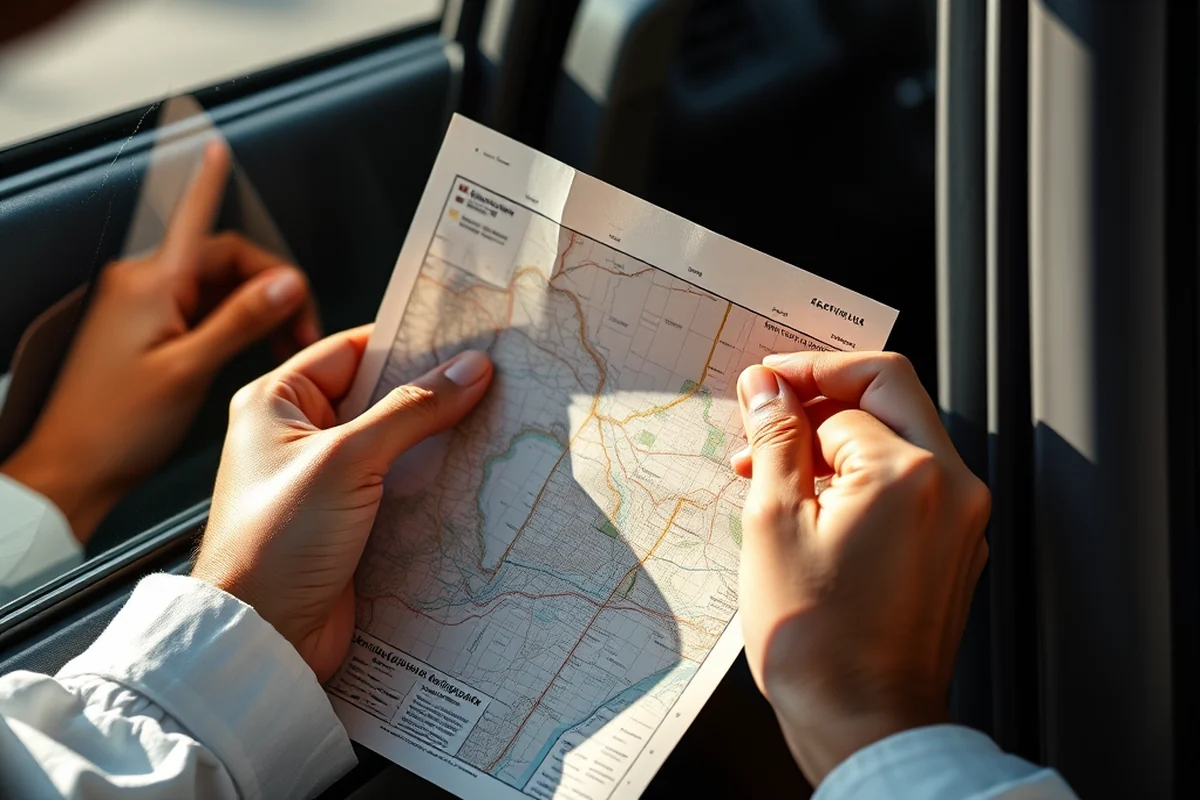
Street art has become a major part of the travel experience in cities like Lisbon, Berlin, and Valparaíso. I was amazed by the sheer number of murals in Lisbon’s Alfama district, each one telling a different story. Some depicted local legends, while others commented on social issues. It was like walking through an open-air gallery.
In Berlin, I saw murals that reflected the city’s complex history—some were hopeful, others critical of the past. I met an artist who explained how street art can spark dialogue and bring communities together. It was an eye-opening experience that made me think about the role of art in society.
Street art can be found in unexpected places, and it often carries a powerful message. It’s a reminder that art is not always confined to galleries—it lives in the streets, waiting for you to notice it.
Art doesn’t need to be framed to be meaningful.
Related: Folk culture art examples
The Role of Art in Cultural Heritage
Every culture has its own artistic traditions, and these often reflect its values and beliefs. In Kyoto, I visited temples and shrines where every carving and painting was a tribute to the Shinto and Buddhist traditions. The precision of the craftsmanship, the symbolism in the art, and the way it was integrated into the natural environment all told a story.
I learned that art is not only a form of expression but also a way of preserving history. In places like Egypt, the art of the pharaohs is a window into the past, offering insights into ancient beliefs and daily life. It’s a way to connect with a culture that may be thousands of years old.
When you travel with an appreciation for art, you’re not just seeing a place—you’re understanding it. That’s what makes art such a powerful tool for cultural education and connection.
Look for details in carvings, mosaics, and statues. Even small elements can carry deep meaning and provide a richer understanding of the culture.
“I remember standing in front of the Louvre’s glass pyramid, the air crisp with the early morning light, and thinking how art transcends time.”— Arts and Culture Travel editors
Related: Upcoming art festivals
Art as a Way to Meet Locals and Make Connections
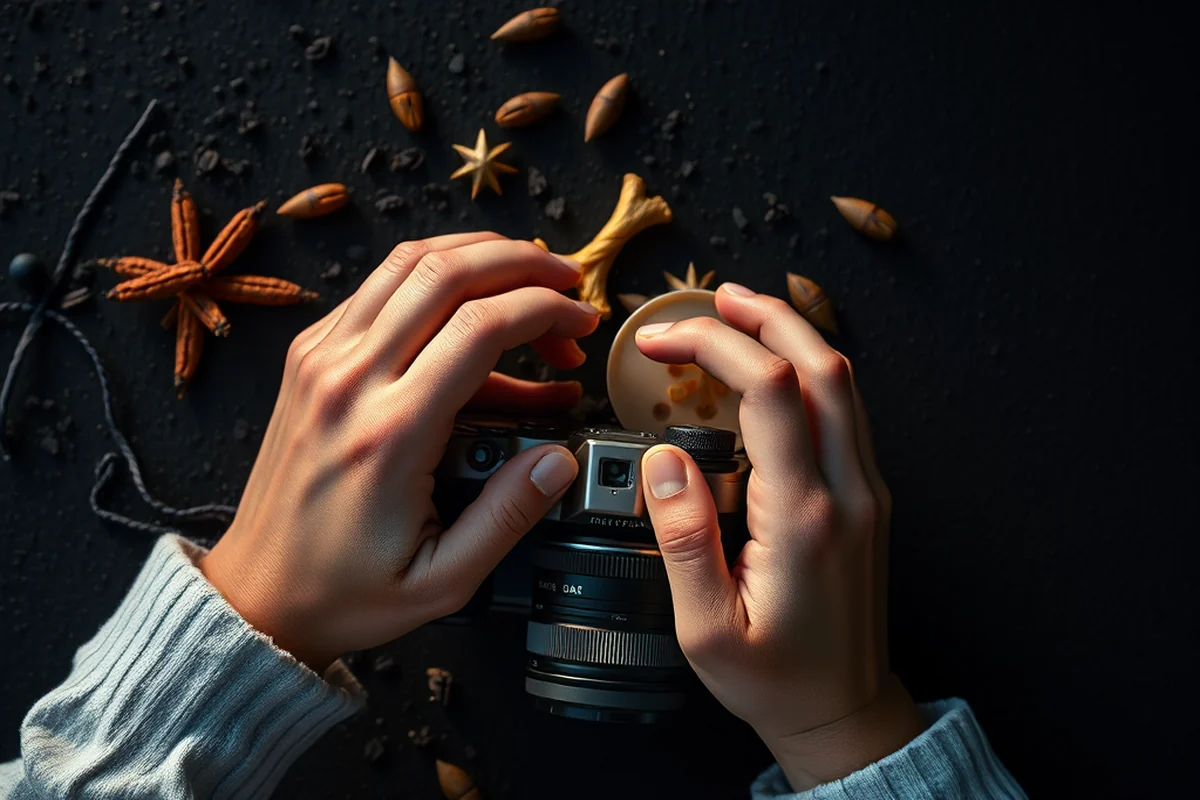
In Mexico City, I visited a local artist’s studio and was invited to watch him create a piece. We talked about his inspiration, his techniques, and the stories behind his work. It was a conversation that lasted hours, and it gave me a deeper appreciation for the local culture.
Art can be a great conversation starter, and I’ve found that many artists are more than happy to share their stories. Whether it’s a muralist in São Paulo or a ceramicist in Oaxaca, these interactions can be incredibly rewarding.
Meeting artists and other travelers who share an interest in art can lead to lifelong connections. It’s a way to experience a place through the eyes of those who live there, and that makes the journey all the more special.
Related: High culture art examples
How to Incorporate Art into Your Travel Itinerary
I always include at least one major art-focused stop in every trip. Whether it’s a museum, a gallery, or an art fair, these experiences add depth and meaning to the journey. For example, during a trip to Amsterdam, I spent a full day at the Rijksmuseum, where I saw Van Gogh’s works up close and learned about the Dutch Golden Age.
I also make time for local art markets and events. In Marrakech, I attended an art fair where I met local artisans and learned about traditional techniques. These experiences are not only educational but also a chance to support local communities.
By planning ahead, you can ensure that your trip includes meaningful art experiences that align with your interests. It’s a way to make your journey more personal and impactful.
Related: Culture art easy
The Impact of Art on Travel Memories
The most memorable travel experiences are often the ones that touch you emotionally. One of my most vivid memories is of a mural in Cape Town that depicted a family holding hands across a river. It was a simple image, but it left a lasting impression on me.
Art can evoke emotions and thoughts that stay with you long after the trip. In Venice, I saw a sculpture that was a tribute to the city’s resilience, and it made me reflect on the strength of the human spirit. These moments are what make travel unforgettable.
Art has a way of making the intangible tangible. It helps you connect with a place on a deeper level, and that connection often lingers in your memory.
Art is the memory of a place, captured in color and form.
Related: What is aboriginal art culture
How to Support and Appreciate Local Artists
Supporting local artists is an important part of responsible travel. Whether it’s buying a piece of art, attending a gallery opening, or simply appreciating their work, these actions can have a real impact on local communities.
In Oaxaca, I visited a local cooperative where artisans sold their work directly to visitors. I purchased a hand-painted ceramic bowl, and the artist explained the significance of the patterns. It was a small but meaningful way to support the local economy.
When you travel with the intention of supporting local artists, you’re not just seeing their work—you’re helping to preserve their traditions and way of life. It’s a way to leave a positive mark on the places you visit.
💰 Budget Art Tour
Explore free and low-cost art experiences in cities with rich cultural offerings.
🗓 Long Weekend Art Getaway
Pack a weekend with art galleries, museums, and local exhibitions in a single city.
👨👩👧👦 Art with Kids
Introduce your children to art through interactive museums and kid-friendly galleries.
🍂 Off-Season Art Travel
Visit art-rich cities during shoulder seasons for a more relaxed and affordable experience.
💎 Luxury Art Journey
Stay in boutique hotels with curated art experiences and private tours of galleries and collections.
| The mistake | Why it happens | The fix |
|---|---|---|
| Assuming all art in a new place is the same. | Art varies greatly by culture and region, and understanding this can lead to more meaningful experiences. | Take the time to research the local art scene and its unique characteristics. |
| Not planning ahead for art-focused trips. | Spontaneity can lead to missed opportunities to see the best art in a destination. | Research and include art experiences in your travel itinerary in advance. |
| Failing to respect local artists and their work. | Art is a reflection of local culture, and showing respect is essential to responsible travel. | Approach art with curiosity and appreciation, and support local artists by purchasing their work or attending events. |
| Ignoring the context of the art you see. | Understanding the historical and cultural context of art can deepen your appreciation and make your travel experience more meaningful. | Take time to learn about the background of the art and the artists who created it. |
Art Is Ideas
Common Questions
How can I find local art in a new city?
What are some budget-friendly ways to experience art while traveling?
Is it possible to meet local artists during a trip?
Can I purchase art while traveling, and how should I do it responsibly?
References
- Towards a semantic indoor trajectory model: application to museum ... (pmc.ncbi.nlm.nih.gov)
- Why Paris? | National Endowment for the Humanities (neh.gov)
- Art Nouveau 1890–1914 - National Gallery of Art (nga.gov)
- The Importance of Taking Children to Museums (arts.gov)
Cite this guide
Arts and Culture Travel (2026). Art Is Ideas. https://artwalksoul.com/art-is-ideas/
Feel free to cite or share this guide.