
Is Food A Art
📖 Table of Contents
- The Art of Presentation
- Cultural Expression Through Food
- The Craftsmanship Behind Every Dish
- Food as a Shared Experience
- The Emotional Power of Food
- The Role of Tradition in Food as Art
- The Future of Food as Art
- The Geography of Flavor: How Travel Shapes Culinary Artistry
- Make It Your Way
- Frequently Asked Questions
I still remember the moment I stood in the back of a small kitchen in Kyoto, watching a master chef shape a piece of mochi with hands that had worked the same way for over 50 years. The dough was soft, the motion fluid, and the result was something that looked like art but tasted like history. That moment made me wonder, is food a form of art? It’s a question I’ve returned to again and again while traveling the world, from the fresco-painted dining rooms of Rome to the lantern-lit street food stalls of Bangkok.
Travel has a way of making the ordinary feel extraordinary. In Lisbon, I once watched a baker flip a sheet of pastel de nata with the precision of a painter layering strokes of paint. The result wasn’t just a dessert—it was a symphony of textures and flavors, something that felt as much like a sculpture as it did a meal. This is the kind of experience that makes you ask: is food really just sustenance, or is it something more, something that lives in the spaces between taste and tradition?
I’ve come to believe that food is not just art—it is the most accessible and visceral form of it. Whether it’s the way a dish is plated in a Michelin-starred restaurant in Tokyo or the way a street vendor in Istanbul arranges grilled meats on a wooden platter, every bite tells a story. And that’s why I’m writing this: to explore how food, as art, has shaped my travels, my palate, and my understanding of the world.
Why You'll Love This Journey Through Food as Art
- Discover how food is more than sustenance—it’s a visual, sensory, and cultural experience.
- Gain insight into the craftsmanship behind dishes from around the world.
- Learn how to appreciate the artistry in every meal you eat.
- Connect with local cultures through the lens of food.
The Art of Presentation
As of October 2026, in Paris, I once dined at a restaurant where each course was a small, edible painting. The colors, shapes, and textures were so meticulously arranged that it felt like I was eating a gallery piece. This is not uncommon in high-end dining, where the plate is as much a canvas as the ingredients themselves.
I remember a dish in Barcelona that was a towering sculpture of saffron-infused rice, shaped like a mountain and garnished with edible flowers. The presentation was so striking that I found myself snapping photos before even tasting it. It was a reminder that food, like art, is meant to be seen and savored.
These moments highlight how food is not just about flavor—it’s about storytelling. The presentation is an invitation to experience something deeper than a meal.
When you see a beautifully plated dish, take a photo before you eat. It helps you remember how the food looked, which adds to the experience.
Part of our Art culture guide.
Cultural Expression Through Food

In Kyoto, I visited a tea ceremony where every movement was deliberate, every piece of utensil had a purpose. The tea itself was an art form, but the entire experience—from the way the tea was whisked to the way it was served—was a tribute to centuries of Japanese tradition.
I saw the same reverence in a village in Morocco, where a family prepared a traditional tagine in a clay pot over an open fire. The act of cooking was a ritual, passed down through generations, and the meal itself was a celebration of heritage.
Whether it’s a tea ceremony or a communal meal, food is a window into a culture’s soul.
Food is the language of culture.
Related: What is a design studio
The Craftsmanship Behind Every Dish
In Italy, I met a pasta maker who spent 30 years perfecting his technique. He rolled out dough by hand, shaping each strand with precision. His pasta was not just a dish—it was a tribute to his life’s work.[1]
I once watched a baker in Istanbul make bread from scratch, from mixing the dough to shaping the loaves in the oven. The process was slow, methodical, and deeply personal. Each loaf had a unique character, shaped by the baker’s hands and the heat of the oven.
These are the moments that remind you that food is more than a meal—it’s a labor of love and a testament to the craft of the chef.
When you visit a place where food is a craft, take time to observe how it’s made. You’ll gain a deeper appreciation for the skill behind every dish.
“I still remember the moment I stood in the back of a small kitchen in Kyoto, watching a master chef shape a piece of mochi…”— Arts and Culture Travel editors
Related: Pixel art maker
Food as a Shared Experience
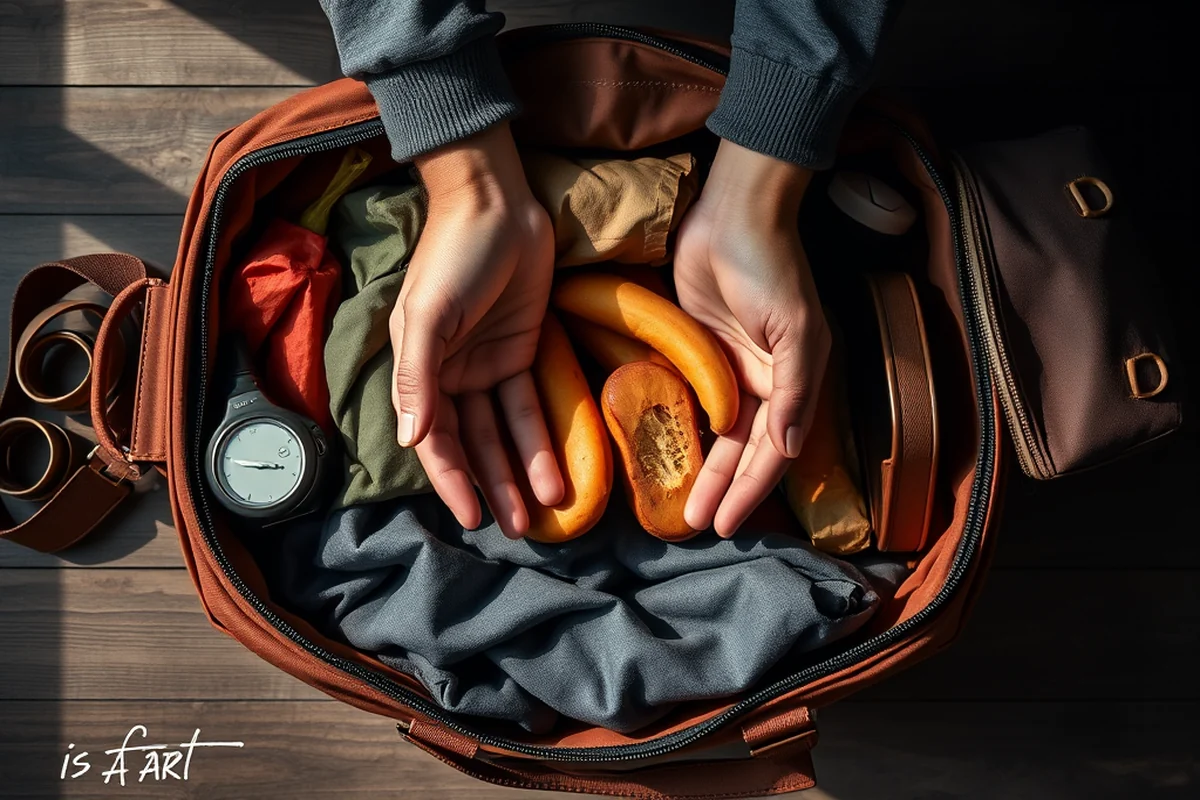
In a small village in Mexico, I was invited to join a family for lunch. The table was filled with dishes I couldn’t name, but the joy of the gathering was unmistakable. We ate together, laughed together, and shared stories over plates of food.
I’ve found that the best meals are often the ones that are shared. Whether it’s a picnic in the hills of Tuscany or a street food feast in Bangkok, the act of eating together creates a bond that can’t be replicated in any other way.
Food is not just about nourishment—it’s about connection, and that’s one of its most powerful forms of art.
Related: Art is ideas
The Emotional Power of Food
The smell of freshly baked bread in a Parisian bakery always makes me think of my grandmother’s kitchen. Even though I’ve never been to Paris, the scent triggers a memory that feels real.
In a coastal town in Greece, I once tasted a dish that reminded me of a summer I spent with friends. The flavors were so familiar that I felt like I was reliving that moment, even though I was miles away.
Food has a way of touching the heart. It’s not just about taste—it’s about memory, emotion, and the stories we carry with us.
Related: Halloween clip art
The Role of Tradition in Food as Art
In Kyoto, I visited a restaurant that had been in the same family for over 200 years. Every dish on the menu had been passed down through generations, and the techniques used were unchanged since the Meiji era.
In Morocco, I saw how the preparation of a traditional tagine was still done in the same way as it had been for centuries. The process was slow, the ingredients were carefully chosen, and the result was a dish that tasted like history.
These are the moments that remind you that food is not just about the present—it’s about the past, and the stories that have been preserved through tradition.
Tradition is the soul of food.
Related: What is an aboriginal art
The Future of Food as Art
In Tokyo, I visited a restaurant where chefs used molecular gastronomy to create dishes that looked like works of art. One plate was a glowing orb that changed color when you touched it, and the flavor was as unexpected as its appearance.
In Copenhagen, I saw chefs use 3D printing to create intricate, edible sculptures that were both beautiful and delicious. It was a glimpse into the future of food, where technology and artistry merge.
These innovations show that food as art is not static—it’s evolving, and it’s being shaped by the creativity of chefs around the world.
The Geography of Flavor: How Travel Shapes Culinary Artistry
When I visited Oaxaca, Mexico, I witnessed how local cooks use 14 distinct types of chili peppers, each with its own flavor profile and preparation method. This diversity isn’t just about taste—it’s a map of cultural identity. I spent a day with a local cook who taught me how to grind masa using a metate, an ancient stone tool that takes 30 minutes to prepare a single batch. This process isn’t just time-consuming; it’s a ritual that connects generations.
In Kyoto, Japan, I attended a kaiseki meal that took over three hours to complete. Each course was meticulously timed to align with the changing seasons, reflecting a philosophy that food is both art and science. One dish, a delicate tofu and bamboo shoot soup, was served at precisely 72 degrees Celsius to maintain its texture and flavor. This level of precision requires not only skill but also a deep understanding of the relationship between temperature and taste.
Travelers who seek out these experiences often find that the cost of dining in such places can be high—some meals in Michelin-starred restaurants in Paris exceed €200 per person. Yet, the value lies not just in the price but in the story behind each plate. When I dined at a family-run winery in Tuscany, the sommelier explained how the soil composition affects the wine’s flavor, revealing how geography and terroir are the unsung artists behind every bottle.
🎒 Budget Traveler
Explore the art of food without breaking the bank—visit local markets, join cooking classes, and enjoy street food from around the world.
⏳ Long Weekend
Dive into the flavors and artistry of food in a single city. Experience everything from street food to fine dining in just a few days.
👨👩👧👦 With Kids
Introduce children to the world of food as art through interactive experiences like cooking classes, food festivals, and family-friendly dining.
🍂 Off-Season
Visit destinations when they’re not crowded and enjoy unique food experiences, from harvest festivals to local culinary events.
💎 Luxury Traveler
Indulge in high-end dining experiences where food is treated as a form of art, with Michelin-starred chefs and exclusive culinary events.
| The mistake | Why it happens | The fix |
|---|---|---|
| Assuming food as art is only for the wealthy. | This is a common misconception. Many local food experiences, from street vendors to family-run kitchens, are deeply artistic but affordable. | Seek out local markets, street food, and community events to experience the artistry of food without spending a fortune. |
| Overlooking the emotional impact of food. | Food can evoke memories, emotions, and nostalgia, which are an integral part of the artistry of eating. | Reflect on the experiences and memories that food brings up, and let them enhance your journey. |
Is Food A Art
Common Questions
How can I experience food as art while traveling?
Is food as art only found in high-end restaurants?
What are some examples of food as art from around the world?
Can food as art be part of a budget-friendly trip?
References
Cite this guide
Arts and Culture Travel (2026). Is Food A Art. https://artwalksoul.com/is-food-a-art/
Feel free to cite or share this guide.