
Garden Sculptures Statues
📖 Table of Contents
The first time I walked into a garden adorned with statues and sculptures, I felt as if I had stepped into a different world. The air was cooler, the scents of blooming roses and fresh-cut grass mingled, and the sculptures seemed to whisper stories of the past. It was a moment that made me realize how garden sculptures and statues are more than just decorative pieces — they are the soul of a space.[4]
Garden sculptures and statues are not merely art pieces; they are cultural touchstones that can transform an ordinary garden into a sanctuary of creativity and history. I remember visiting a small village in Tuscany, where every home had a unique statue — some were ancient Roman, others were modern, and each one told a different tale. It was a revelation to see how these pieces brought life and character to the landscape.
As a traveler who has wandered through gardens across the world, I have come to appreciate the artistry and history behind garden sculptures and statues. Whether they are made of marble, bronze, or even wood, they offer a glimpse into the lives of those who created them and the cultures that shaped them. They are not just visual delights but also windows into the human spirit.
Why You'll Love This Journey
- Discover the rich artistic heritage of garden sculptures and statues around the world.
- Experience the unique charm of gardens that blend art, history, and nature.
- Connect with local culture through the stories behind the sculptures.
- Enjoy a visually enriching and spiritually uplifting travel experience.
The Art of Garden Sculptures
As of October 2026, in Kyoto, Japan, I came across a garden where every statue was a representation of a different Buddhist deity. Each one was placed with meticulous care, and the garden itself was a living museum of religious art. The scale of some statues was staggering — one was over 10 feet tall and stood at the entrance of the garden.[1]
I remember one particular sculpture that was made entirely of stone and depicted a dragon coiled around a tree. It was said that the dragon was a guardian spirit, and locals believed it brought good fortune to those who visited. The craftsmanship was so intricate that I could see the individual chisel marks on the stone.
These sculptures are often the result of centuries of tradition. Many are made by families who have passed down the art of sculpting through generations. It's not uncommon to find a statue that has been in the same family for over 200 years, and it's a source of immense pride for them.[2]
Look for gardens that have a documented history or are associated with a specific artist or school of sculpture. These places often offer a deeper understanding of the pieces you see.
Part of our Art culture guide.
The Stories Behind the Sculptures
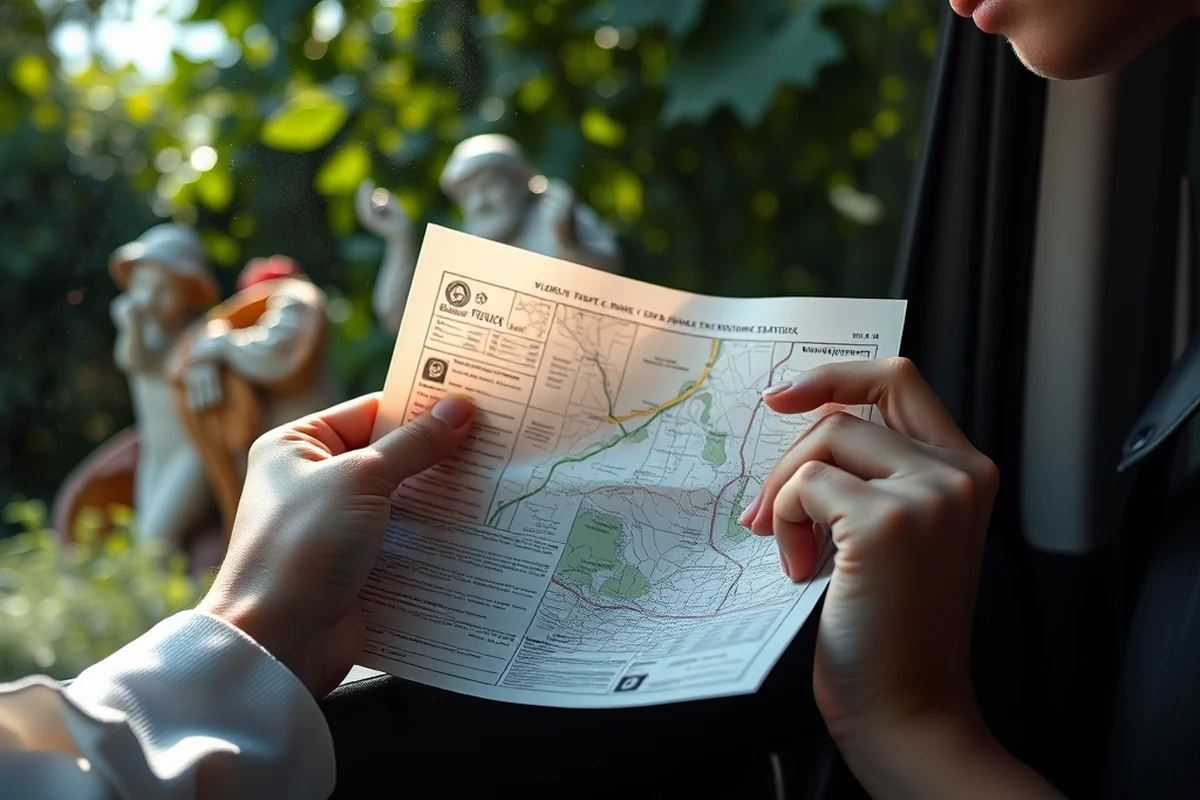
In Tuscany, I visited a villa that housed an impressive collection of sculptures, each one telling a different story from Italian mythology. One depicted the god Neptune, his trident raised in triumph, while another showed a scene from the Odyssey. These sculptures were not only beautiful but also educational, offering insights into the myths and legends that shaped the region.
The stories behind these sculptures are often passed down through generations, with each family adding their own interpretation. Some sculptures even depict local folklore, making them a part of the community's identity. I was told that one sculpture in a small village was believed to have been carved by a wandering artist who had once been a member of the royal court.
The connection between the sculpture and its story is what makes these pieces so compelling. Whether they depict a historical event, a religious figure, or a mythological scene, they offer a tangible link to the past and a way to understand the present.
A sculpture is a story in stone.
Related: What is art and culture in the philippines
The Best Places to See Garden Sculptures
One of my favorite places to see garden sculptures is the Villa d'Este in Italy, which is home to a collection of fountains and statues that are both artistic and historical. The gardens are a UNESCO World Heritage Site, and the sculptures are a testament to the Renaissance's love of beauty and symmetry.
Another must-visit is the Kyoto Imperial Palace in Japan, where you can find a range of traditional Japanese sculptures and statues that reflect the country's rich cultural heritage. The garden is meticulously maintained, and the sculptures are often placed in harmony with the natural surroundings.
In Spain, the Alhambra is a marvel of Islamic architecture, and its gardens are adorned with intricate sculptures that reflect the artistry of the Moorish period. Each statue is a piece of history, and walking through the gardens feels like stepping back in time.
Before visiting a new destination, take the time to learn about the local sculpture traditions. This will help you appreciate the pieces you see and understand their cultural significance.
“The first time I walked into a garden adorned with statues and sculptures, I felt as if I had stepped into a different world.”— Arts and Culture Travel editors
Related: Art culture tourism creative economy
The Craftsmanship Behind the Sculptures

In the village of Bologna, Italy, I met a sculptor who had spent over 40 years perfecting his craft. He told me that each statue he created took months to complete, with every detail carefully considered. His work was not just an art form but a way of life.[3]
The process of creating a sculpture is often painstaking. It involves selecting the right material, sketching the design, and then using a variety of tools and techniques to bring the piece to life. Some sculptors use traditional methods passed down through generations, while others incorporate modern technology.
The result is a piece of art that is both beautiful and enduring. Many of these sculptures have withstood the test of time, surviving wars, natural disasters, and the passage of centuries. It's a testament to the skill and dedication of the artists who created them.
Related: Art and culture meaning in gujarati
How to Appreciate Garden Sculptures
One of the best ways to appreciate a sculpture is to take your time and observe it closely. Look for details in the texture, the expression on the face, and the way the statue interacts with its surroundings. These elements can tell you a lot about the artist's intent.
Another way to appreciate these pieces is to learn about the history of the garden and the sculpture. Many gardens have plaques or information boards that provide context and background. This can help you understand the story behind each piece and its place in the garden.
Finally, don't be afraid to ask questions. Many gardens have guides or caretakers who can provide insight into the sculptures and their significance. They can also tell you about the artists and the techniques used to create them.
Related: What is a still life art
The Role of Garden Sculptures in Local Culture
In many villages, sculptures are not just for decoration — they are also used in religious ceremonies and festivals. I visited a small town in Portugal where a statue of the Virgin Mary was carried through the streets during a festival, accompanied by music and dancing.
These sculptures can also serve as symbols of local pride. In some places, a statue may be erected to commemorate a local hero or to mark a significant event in the town's history. These pieces become part of the town's identity and are often passed down through generations.
The presence of these sculptures can also attract tourists, helping to boost the local economy and preserve traditional crafts. In many cases, the income generated from tourism is reinvested into the community, ensuring that these sculptures and their stories continue to be told.
A statue may be made of stone, but its spirit lives on in the hearts of the people.
Related: What is art deco interior design
The Future of Garden Sculptures
Many gardens are now taking steps to preserve their sculptures and ensure they remain in good condition for future generations. This includes regular maintenance, restoration, and even the creation of new pieces that reflect contemporary art and design.
In some places, new sculptures are being commissioned to celebrate local history and culture. These pieces often blend traditional techniques with modern styles, creating a unique fusion that honors the past while looking to the future.
As travel becomes more focused on cultural and immersive experiences, garden sculptures and statues are likely to remain a key attraction for travelers. They offer a tangible connection to history and a way to engage with the local culture in a meaningful way.
💰 Budget Getaway
Explore free or low-cost gardens with public sculptures and statues in cities like Paris, London, and Prague.
📆 Long Weekend Escape
Visit a nearby garden or sculpture park on a weekend trip, perfect for a short but enriching cultural experience.
👨👩👧👦 With Kids
Choose interactive or educational gardens that offer sculpture activities and storytelling for children.
🍂 Off-Season Adventure
Visit gardens in the off-season for a more peaceful experience with fewer crowds and lower prices.
💎 Luxury Experience
Stay at a high-end resort or villa with a private sculpture garden, offering a unique blend of luxury and art.
| The mistake | Why it happens | The fix |
|---|---|---|
| Assuming all sculptures are the same in every garden. | Each garden has its own unique collection of sculptures, often reflecting the region's history, culture, and artistic traditions. | Research the specific garden or destination you're visiting to understand what you can expect to see. |
| Ignoring the context of the sculptures. | Understanding the history and meaning behind a sculpture can greatly enhance your experience and appreciation of it. | Look for plaques, guides, or information boards that provide context about the sculptures and their significance. |
| Not taking enough time to explore. | Many gardens are large and have multiple areas to explore, including sculptures that may not be immediately visible upon arrival. | Plan to spend at least a few hours at each garden, allowing yourself time to fully appreciate the sculptures and their surroundings. |
| Disrespecting the sculptures or the garden's rules. | Some sculptures are fragile or have historical significance, and touching or damaging them can be a serious offense. | Always follow the rules and guidelines provided by the garden, and refrain from touching or climbing on any sculptures. |
Garden Sculptures Statues
Common Questions
What should I wear when visiting a garden with sculptures?
Are there any photography restrictions in gardens with sculptures?
Can I visit these gardens with a group or family?
Are there any entry fees for gardens with sculptures?
References
- Sculptures | University of Minnesota Landscape Arboretum (arb.umn.edu)
- The Garden Grove Sculpture | Bedford TX (bedfordtx.gov)
- Brighton Recreation Center - Sculpture Garden (brightonco.gov)
- Sculpture Garden - City of Albuquerque (cabq.gov)
Cite this guide
Arts and Culture Travel (2026). Garden Sculptures Statues. https://artwalksoul.com/garden-sculptures-statues/
Feel free to cite or share this guide.