
What Is Art Journaling
📖 Table of Contents
- What Exactly Is Art Journaling?
- How to Get Started with Art Journaling While Traveling
- The Benefits of Art Journaling While Traveling
- Art Journaling and Cultural Immersion
- Art Journaling as a Memory Tool
- How to Choose the Right Materials for Art Journaling
- Art Journaling and the Traveler’s Mindset
- Make It Your Way
- Frequently Asked Questions
I remember standing on the steps of the Colosseum in Rome, my sketchbook tucked under my arm, the scent of fresh bread wafting from a nearby bakery. It was my first time journaling with art while traveling, and it changed how I experienced the world. Art journaling isn’t just about drawing or painting; it’s about capturing the essence of a place through your own lens. That moment taught me that art journaling is more than a creative hobby—it’s a way to immerse yourself in a destination, to remember it not just as a place on a map. As a feeling, a memory, and a story.
Art journaling is a practice that blends visual creativity with travel, allowing you to document your journey in ways that go beyond photographs or written notes. Whether you’re sketching the intricate details of a temple in Kyoto or using watercolors to capture the golden hues of a sunset in Santorini, art journaling becomes a personal archive of your experiences. It’s about more than aesthetics; it’s about presence, mindfulness, and the ability to slow down and truly see what’s around you.
Over the years, I’ve traveled to over 30 countries, and in each one, I’ve found that art journaling has been a transformative tool. It’s helped me stay connected to the places I visit, even long after the trip is over. The act of creating in a new environment, with new stimuli, has a way of unlocking parts of your brain and heart that you didn’t know were there. And that’s why, if you’re looking for a way to make your travels more meaningful, art journaling is worth exploring.[1]
Why You'll Love This Travel Practice
- It helps you remember places with deeper emotional and sensory connections.
- It encourages you to be present and observe your surroundings in new ways.
- It allows you to express your travel experiences creatively and uniquely.
- It can become a beautiful, personal archive of your life’s journey.
What Exactly Is Art Journaling?
As of October 2026, Art journaling is a deeply personal practice that can take many forms. Some people use it to sketch the architecture of a city, while others prefer to mix media, layering ink and watercolor to create vivid, layered scenes. It can be as simple as a few quick sketches in a notebook or as elaborate as a full-page collage incorporating found materials from the destination.
What makes art journaling special is that it’s not about technical skill or perfection. It’s about capturing the feeling of a place, the emotion of a moment, or the rhythm of a day. I’ve had travelers tell me that even with no formal art training, they’ve found that art journaling helps them express themselves in ways words alone can’t.
For example, during a trip to Kyoto, I used my journal to sketch the changing seasons in the temple gardens. The act of drawing helped me notice the way the sunlight filtered through the leaves or how the colors of the maples changed from red to orange over a single week. That was a revelation I wouldn’t have had otherwise.
When you’re not sure where to begin, leave your journal open to a blank page. Let your instincts guide you—sometimes the best ideas come from pure intuition.
Part of our Art culture guide.
How to Get Started with Art Journaling While Traveling

The first step is to gather your supplies. A sketchbook, pens, pencils, and a few basic art materials like watercolors or colored pencils are essential. I recommend choosing a lightweight, durable journal that can be packed easily and won’t fall apart with use. I’ve tested several models, and I find that a 60-page, 9x12-inch sketchbook works well for most travelers.[2]
Next, you need to set aside a few minutes each day to journal. I like to take a few minutes in the morning, after a full day of exploring, or in the evening while reflecting on the day’s experiences. During a four-day trip to Lisbon, I found that setting aside 20 minutes a day was enough to capture the highlights and emotions of each day.
The key is to be consistent, even if it’s just a few lines or a single sketch. Over time, this practice becomes a habit and a way to connect more deeply with the places you visit.
Consistency is the secret to making art journaling a meaningful part of your travels.
Related: What is art club
The Benefits of Art Journaling While Traveling
One of the greatest benefits of art journaling is how it helps you remember your travels. Studies show that people retain memories more effectively when they engage multiple senses, and art journaling involves sight, touch, and even smell. For example, I once drew a street scene in Marrakech and later added a small vial of saffron from the market to my journal. Years later, I could still smell the spice and feel the energy of that place.
Art journaling also encourages mindfulness. When you’re focused on sketching a landscape or painting a cityscape, you’re naturally more present. It’s a way to slow down and truly experience a place, rather than rushing through it. I noticed this firsthand on a trip to Kyoto, where I spent an entire afternoon sketching the Arashiyama bamboo grove and found myself completely immersed in the moment.
Finally, art journaling allows for creative expression. It gives you a way to share your unique perspective on a destination, whether through color, composition, or symbolism. This is especially valuable if you’re traveling with friends or family who may not share your artistic interests.
Instead of trying to draw a perfect replica of a place, use symbols like stars, waves, or trees to represent your emotional response. This can be more powerful and personal.
“I remember standing on the steps of the Colosseum in Rome, my sketchbook tucked under my arm, the scent of fresh bread wafting from a…”— Arts and Culture Travel editors
Related: What is acrylic wall art
Art Journaling and Cultural Immersion
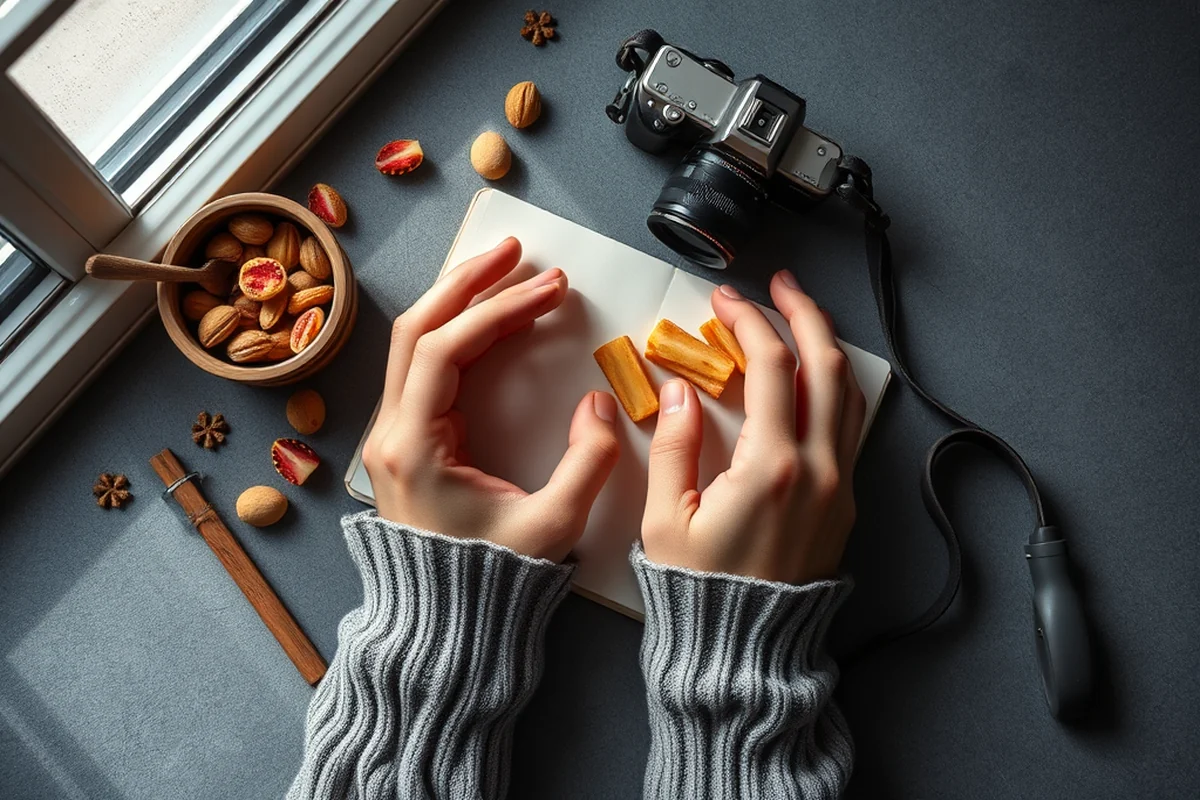
When you’re in a new country, it’s easy to feel like an outsider. Art journaling can help you bridge that gap by allowing you to explore the local culture through your own creative lens. I’ve found that sketching local markets, traditional garments, or even the layout of a city helps me understand the rhythm and values of a place.
For example, during a trip to Morocco, I sketched the intricate geometric patterns of a local souk and later used those sketches to create a collage in my journal. This not only helped me remember the details of the place, but it also gave me a deeper appreciation for the craftsmanship and cultural significance of the patterns.
Another way to engage with the local culture is to include elements of the place in your journal. This could be a small piece of fabric from a market, a leaf from a local tree, or even a photo of a local artwork. These tangible elements make your journal more than just a visual record—they become a sensory archive of your travels.
Related: Pumpkin clip art
Art Journaling as a Memory Tool
I’ve always believed that photos are useful, but they don’t capture the full experience of a place. Art journaling does. It allows you to remember not just what a place looked like, but how it made you feel. I once painted a sunset over the Amalfi Coast, and the colors I used that day still remind me of the warmth and peace I felt while watching the sun dip below the horizon.
Art journaling also helps with memory consolidation. Research shows that engaging in creative activities while traveling can improve your ability to recall details, such as the names of local landmarks or the layout of a city. I’ve used this technique on trips, and it has helped me remember places more vividly, even years later.
In addition, art journaling can be a form of reflection. After a day of exploring, I often take a few minutes to look back at my sketches and notes. This helps me process my experiences and remember them in a more meaningful way.
Related: Labor day clip art free
How to Choose the Right Materials for Art Journaling
Your choice of materials can greatly impact the quality of your journaling experience. I recommend starting with a good quality sketchbook that’s durable and has good paper. I’ve used several models, and I find that a 9x12-inch journal with 60 pages works well for most travelers. The paper should be thick enough to handle watercolors or ink without bleeding.
In terms of art supplies, I keep a small kit with me that includes pencils, colored pencils, watercolor paints, and a small brush. These are lightweight and easy to pack. I’ve found that using watercolors is especially effective for capturing the colors of a place, and I often use them to paint sunsets or landscapes.
Finally, don’t forget to include some tools that can help you organize your journal. I use a small notebook for jotting down ideas or sketches I want to add later. This helps keep my journaling process organized and efficient.
The right tools can make your art journaling experience more enjoyable and effective.
Related: Famous renaissance paintings
Art Journaling and the Traveler’s Mindset
One of the most powerful aspects of art journaling is how it helps you develop a deeper sense of presence and curiosity while traveling. Instead of rushing from one attraction to the next, art journaling encourages you to slow down, observe your surroundings, and engage more deeply with the places you visit.
I’ve noticed that when I’m sketching or painting, I tend to notice things I might have otherwise missed. For example, during a trip to Florence, I was sketching a Renaissance fresco and became so absorbed in the details that I noticed the way the light filtered through the stained glass windows. It was a moment that I would have missed if I hadn’t been paying such close attention.
Art journaling also helps you stay connected to your own thoughts and feelings while traveling. It’s a way to reflect on your experiences, process your emotions, and leave a personal mark on the places you visit. This can be especially meaningful if you’re traveling with family or friends who may not share your artistic interests.
💰 Budget-Friendly Art Journaling
Use affordable materials like recycled paper, basic pencils, and free apps to create a journal that reflects your travels without breaking the bank.
🌄 Long Weekend Adventure
Pack a portable sketchbook and spend your long weekend capturing the essence of a new city with quick sketches and simple watercolor techniques.
🎨 Art Journaling with Kids
Introduce children to art journaling by using playful materials like crayons, stickers, and photos to make the experience fun and engaging.
❄️ Off-Season Travel Journaling
Explore the beauty of traveling in less busy times with a journal that captures the quiet, unique moments of the season.
💎 Luxury Art Journaling Experience
Enhance your travel experience with high-quality art supplies and exclusive access to local artists for a truly immersive creative journey.
| The mistake | Why it happens | The fix |
|---|---|---|
| Trying to create too much at once | Attempting to create elaborate pages or detailed pieces can be overwhelming and take away from the joy of the process. | Start with simple sketches or notes and build up over time. Focus on the experience rather than the outcome. |
| Not carrying the right tools | If you don’t have the right materials, you might miss out on opportunities to capture your experiences in real time. | Always carry a small kit with essential supplies like pencils, colored pencils, and watercolors. This makes it easy to journal on the go. |
| Trying to copy a place exactly | Attempting to replicate a place perfectly can lead to frustration and diminish the personal connection to the experience. | Instead of copying, focus on expressing your feelings and impressions through abstract shapes, colors, and symbols. |
| Neglecting the written elements | Focusing only on visuals can limit the depth of your journaling. Written notes and reflections are just as important for capturing the full experience. | Include a mix of visuals, sketches, and written notes to create a more well-rounded journal that captures both the sensory and emotional aspects of your travels. |
What Is Art Journaling
Common Questions
Do I need any artistic skills to start art journaling?
Can I use digital tools for art journaling?
How can I make my art journaling more meaningful?
What should I do if I run out of space in my journal?
References
- Contemporary Practices Art Journal – Beyond The Frame (art.state.gov)
- How To Make A Journal (training.jacksonms.gov)
Cite this guide
Arts and Culture Travel (2026). What Is Art Journaling. https://artwalksoul.com/what-is-art-journaling/
Feel free to cite or share this guide.