
Art Or Culture
📖 Table of Contents
I still remember the first time I stood in front of the Terracotta Army in Xi'an, China — the sun was low, the air smelled faintly of pine. The sheer scale of the statues was overwhelming. I had come expecting to see art, but what I found was culture. That's the magic of travel: sometimes it's not the destination that defines the experience, but the question you ask before you go — 'art or culture?'[3]
When I first planned my trip to Morocco, I thought I was going for the art — the intricate mosaics in Fez, the Berber rugs in the Atlas Mountains. But what I discovered instead was culture — the way locals greeted me with tea in Marrakech, the stories shared over mint tea. The way the music in the souks seemed to echo the history of the city itself. It wasn't just about what I saw; it was about what I felt.[4]
So, when I set out to explore the world, I stopped asking whether I should go for 'art or culture' and instead started asking how the two could coexist. I found that the best travel experiences are the ones where art is embedded in culture, and culture is expressed through art. It's in the colors of a traditional festival, the brushstrokes of a local painter, and the rhythm of a song played at a village gathering. The journey began with a question — and it ended with a deeper understanding of the world.
Why You'll Love This Trip
- Experience the fusion of art and culture in places where they’re inseparable.
- Explore destinations where history is preserved through both artistic and cultural practices.
- Meet locals who live and breathe both art and culture in their daily lives.
- Create a memory that’s not just visual, but deeply emotional and immersive.
Why the Question 'Art or Culture' Matters
As of October 2026, Travelers often ask, 'Should I go for art or culture?' The answer isn't always clear. In places like Kyoto, Japan, where temples are both cultural landmarks and artistic masterpieces, the line is blurred. Choosing one over the other can lead to missed opportunities. The best experiences come from embracing both.
For instance, in Kyoto, visiting a temple like Kinkaku-ji (the Golden Pavilion) is not just about admiring its architectural beauty — it's also about understanding its role in Shinto and Buddhist traditions. Art and culture are intertwined here, and ignoring one would mean missing out on the full story.
In short, the question 'art or culture' is not about choosing one; it's about looking for the ways in which they intersect and enhance each other on your journey.
Before your trip, research the history and significance of the places you plan to visit. This will help you see the interplay between art and culture more clearly.[1]
Part of our Art culture guide.
Art as a Window into Culture

In Florence, Italy, the Renaissance paintings of Michelangelo and Botticelli are not just art — they're cultural artifacts that reveal the values of a society that placed immense importance on beauty, religion, and human potential. Standing in front of the Sistine Chapel ceiling, I felt the weight of centuries of history and creativity.
Similarly, in Mexico City, the murals of Diego Rivera and José Clemente Orozco are not only works of art but also political statements that reflect the struggles and triumphs of the Mexican people. They are a form of cultural expression that is as much about storytelling as it is about aesthetics.
Art, when viewed through the lens of culture, becomes a narrative — one that tells the story of a people, their beliefs, and their evolution over time.
Art is not just for the eyes — it's for the soul.
Related: What is the photo gallery
Culture as the Canvas of Art
In Kyoto, the tradition of kintsugi — the Japanese art of repairing broken pottery with gold — is not just a craft. It’s a reflection of the cultural philosophy of wabi-sabi, which embraces imperfection and impermanence. I saw this practice firsthand in a small workshop where artisans demonstrated how to mend a bowl, transforming a flaw into a feature.
In South Africa, the San people’s rock art in the Drakensberg Mountains is a cultural treasure that has survived for thousands of years. It's not just art; it's a record of their history, spirituality, and connection to the land. Standing in front of those ancient paintings, I felt an overwhelming sense of awe and respect.
Culture is the foundation of art, and without understanding the cultural context, art can lose its depth and meaning. It's not just about what you see, but about the story behind it.
Participate in cultural activities, such as workshops or festivals, to see how art is born from cultural traditions. This will give your travel experience more depth and authenticity.
“I still remember the first time I stood in front of the Terracotta Army in Xi'an, China — the sun was low, the air smelled…”— Arts and Culture Travel editors
Related: A is for art craft
How to Travel for Both Art and Culture
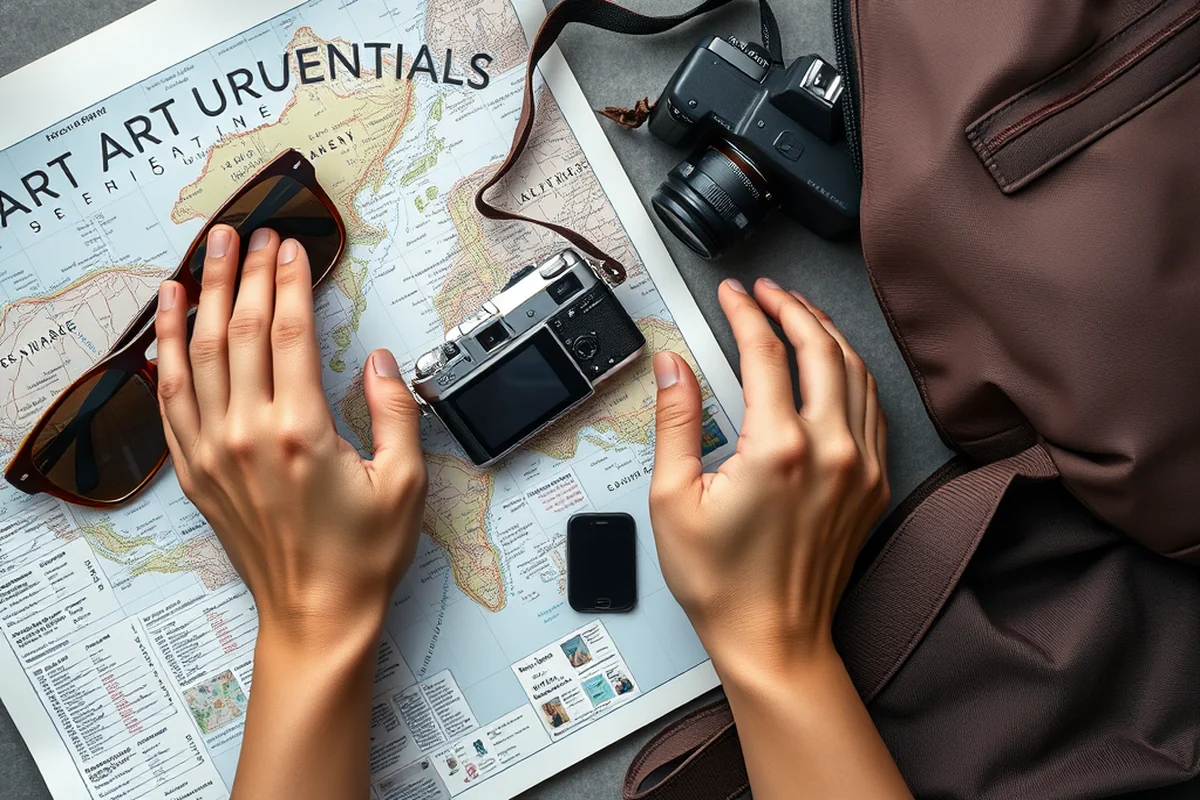
Start by choosing destinations where art and culture are deeply intertwined. Places like Greece, with its ancient ruins and vibrant festivals, or India, where art is embedded in religious and cultural practices, are excellent examples.
Research the local festivals and events that celebrate both art and culture. For example, in Spain, the Semana Santa (Holy Week) is not only a religious observance but also a visual spectacle with processions, music, and art that draws thousands of visitors.[2]
Finally, don’t be afraid to step outside of your comfort zone — whether that means visiting a remote village or attending a local gathering. These are the moments where the true essence of art and culture comes alive.
Related: What is art deco lamp
The Hidden Beauty of Cultural Art
In Morocco, I once visited a small village where the women wove intricate Berber rugs by hand, using techniques passed down for generations. The colors and patterns were not just decorative — they told stories of the family, the region, and the seasons. It was a form of art that was deeply rooted in their culture.
In Peru, the Andean people create textiles that are both functional and artistic, with each design symbolizing a different aspect of their heritage. I saw a weaver in Cusco who demonstrated how to dye the wool with natural pigments — a practice that dates back centuries.
These are the kinds of experiences that make travel unforgettable. They are the ones where art is not just admired — it's lived and breathed by the people who create it.
Related: Gustav klimt paintings
The Impact of Art and Culture on Travel
Traveling through places that celebrate both art and culture has a profound effect on the traveler. It expands your perspective, challenges your assumptions, and connects you to something greater than yourself.
In Japan, I was struck by the way art is woven into every aspect of daily life — from the precision of a tea ceremony to the elegance of a calligraphy class. These are not tourist attractions; they are cultural practices that have been preserved for generations.
Experiencing art and culture in its true form — not as a spectacle, but as a part of life — can be transformative. It reminds you that the world is full of beauty, and that understanding it begins with an open heart and mind.
Art and culture are not just for museums — they're for the soul.
Related: Clip art free images
Making the Most of Your Art and Culture Journey
Start by immersing yourself in the local culture — whether that means learning a few words of the language, exploring local markets, or attending cultural events. These experiences will give you a deeper appreciation for the art that surrounds you.
Be patient and open-minded. Some of the most meaningful cultural experiences happen outside of the typical tourist spots. They might be in a quiet village, a bustling market, or a small gallery tucked away in a corner of a city.
Finally, remember that the best travel experiences are the ones that stay with you long after you return home. So, take your time, ask questions, and be ready to be surprised by what you find.
💰 Budget Getaway
Explore rich cultural and artistic experiences without breaking the bank by visiting lesser-known but equally vibrant destinations.
🗓 Long Weekend
Dive into art and culture in a short but impactful trip, focusing on a single city or region with a deep artistic heritage.
👨👩👧👦 With Kids
Choose family-friendly destinations where art and culture are presented in interactive and educational ways that engage children of all ages.
❄️ Off-Season
Travel during the off-peak months to enjoy art and culture experiences with fewer crowds and more authentic local interactions.
💎 Luxury Escape
Indulge in high-end art and cultural experiences, from private museum visits to exclusive cultural events and curated travel itineraries.
| The mistake | Why it happens | The fix |
|---|---|---|
| Only visiting famous tourist attractions. | This can lead to a superficial understanding of the culture and art, missing the deeper, more authentic experiences that are found in local communities and smaller venues. | Venture off the beaten path and explore local neighborhoods, markets, and smaller galleries where you can find more meaningful interactions and unique experiences. |
| Not learning about the cultural context of the art. | Understanding the cultural background of the art you see is essential for a deeper appreciation and meaningful connection to the place you're visiting. | Do some research before your trip to understand the history, symbolism, and significance of the art and culture in the destination you're visiting. |
| Rushing through experiences without taking time to reflect. | Art and culture are best experienced slowly and thoughtfully, which allows for a more profound and lasting impact. | Spend time in each place, take notes, sketch, or journal — this will help you process and remember your experiences more deeply. |
| Assuming that all cultural experiences are the same. | Each culture is unique and has its own distinct traditions, values, and artistic expressions. Generalizations can lead to misunderstandings and a lack of appreciation for the nuances of the culture. | Approach each destination with an open mind and a willingness to learn about its unique characteristics, histories, and traditions. |
Art Or Culture
Common Questions
How do I find destinations where art and culture are deeply connected?
What should I pack for a trip focused on art and culture?
Can I experience art and culture without speaking the local language?
How can I ensure an authentic experience with local art and culture?
References
Cite this guide
Arts and Culture Travel (2026). Art Or Culture. https://artwalksoul.com/art-or-culture/
Feel free to cite or share this guide.