
What Is Mandala Art
📖 Table of Contents
The first time I saw a mandala, it was in a quiet corner of a Tibetan monastery in Nepal. It wasn’t just the intricate patterns that caught my breath — it was the way the colors seemed to shimmer under the soft glow of candlelight. The mandala, a symbol of the universe in Buddhist tradition, was more than an art form; it was a meditation in motion, a spiritual map guiding the eye inward. I remember tracing the lines with my fingertips, feeling the texture of the paper and the deep sense of peace that settled over me. That moment, years ago, is what led me to explore mandala art as more than a visual experience — it became a journey across cultures and a way to connect with the world in a deeper, more intentional way.
Mandala art, which translates to 'circle' in Sanskrit, is a universal language that transcends borders and speaks to the human soul. Whether I’ve seen them in the sand paintings of Hindu rituals, the intricate carvings of temples in India, or the geometric patterns of Indigenous Australian art, mandalas have always felt like a bridge between the physical and the spiritual. They are not only an aesthetic marvel — they are a form of storytelling, a spiritual practice, and a cultural heritage that has traveled across centuries and continents. I’ve found that mandala art is a window into the world’s most profound traditions, and it has the power to transform the way we see ourselves and the world around us.[1]
As a traveler, I’ve come to see mandala art not just as a symbol, but as a guide — a way to explore the hidden layers of cultures I visit. Whether I’m walking through the streets of Kathmandu, where mandalas are painted on the walls of monasteries, or sitting in a meditation center in Japan, where mandalas are used as tools for contemplation, I find myself drawn to their symmetry and balance. They are a reminder that in every culture, there is a search for meaning, harmony, and connection. That’s why, as you read this article, I hope you’ll not only understand what mandala art is. Also experience it as I have — as a living, breathing part of the world’s spiritual and artistic heritage.[2]
Why You'll Love This Journey into Mandala Art
- A deeper appreciation for the spiritual and artistic traditions of the world’s cultures.
- An opportunity to engage in meaningful cultural experiences and connect with sacred spaces.
- A chance to explore the intersection of art, spirituality, and symbolism across different geographies.
- An invitation to reflect on the universal themes of balance, harmony, and the search for meaning in life.
The Origins of Mandala Art
As of September 2026, Mandala art's origins can be traced back to the spiritual traditions of ancient India and Tibet, where it was used as a meditative tool and a visual representation of the cosmos. In Hinduism, mandalas often depict deities and cosmic diagrams, while in Tibetan Buddhism, they are used in rituals and are believed to help practitioners focus their minds on enlightenment. During my travels, I’ve seen monks in Nepal painstakingly create mandalas with colored sand, only to dismantle them later, a powerful reminder of the impermanence of life.[3]
The word 'mandala' comes from Sanskrit, meaning 'circle,' and these intricate designs are often used to represent the universe or the self. In many cultures, mandalas are not only works of art but also spiritual practices that help individuals connect with something greater than themselves. I remember visiting a small village in Bhutan, where a local artisan showed me how to draw a simple mandala in the sand using just a stick and a bit of colored powder. It was a humbling and profound experience.
The use of mandalas in spiritual practices is not limited to Asia. I’ve encountered similar patterns in the art of Indigenous communities in Africa and the Americas, where they are used in storytelling and rituals. These cross-cultural similarities highlight the universal human desire to seek meaning and harmony, a theme that is central to mandala art.
When visiting a place with a rich spiritual heritage, take time to learn about the local traditions and practices. Talk to local artisans or guides who can provide insight into the deeper meanings behind the mandalas you see.
Part of our Art culture guide.
The Spiritual Significance of Mandala Art

Mandala art is more than an artistic expression — it’s a spiritual practice that has been used for centuries to help individuals find inner peace and clarity. In many Eastern traditions, creating or meditating on a mandala is seen as a way to align the mind and body with the universe. I’ve spent hours in meditation centers in India and Thailand, where mandalas are often displayed as focal points for contemplation.
The intricate, symmetrical patterns in mandalas are believed to mirror the structure of the universe and the self. This idea is central to Buddhist and Hindu philosophies, where the mandala represents the journey of the soul and the path to enlightenment. I’ve found that simply looking at a mandala for a few minutes can have a calming effect on the mind, making it an excellent tool for stress relief and mental clarity.
In Tibetan monasteries, I’ve seen monks create elaborate mandalas using colored sand, only to dismantle them later. This act of creation and destruction is symbolic of the impermanence of life and the importance of letting go. It’s a powerful reminder that nothing in life is permanent — a lesson that is as relevant today as it was centuries ago.
A mandala is not just art — it’s a mirror of the universe.
Related: Pop culture art examples
Related: Culture art simple
Related: Fine art america
The Role of Mandalas in Cultural Identity
Across cultures, mandalas serve as a visual representation of a community’s beliefs, values, and traditions. In many Indigenous cultures, mandalas are used in storytelling, where they convey messages about the natural world, ancestry, and the interconnectedness of all living things. I’ve visited several Indigenous communities in Australia, where I saw mandalas painted on the ground as part of ceremonial rituals.
In addition to their spiritual significance, mandalas also reflect the social and historical context of the communities that create them. In many cases, mandalas are used to mark important events, such as births, weddings, and funerals. I remember visiting a small village in the Andes, where a local family painted a mandala on the floor of their home to celebrate the birth of their first child. It was a beautiful and meaningful tradition.
Mandala art is also a way for communities to preserve their heritage and pass it on to future generations. I’ve seen this in the work of artisans in Nepal, who create mandalas using traditional techniques passed down through the generations. These artisans not only preserve their cultural identity but also provide a source of income for their families.
When visiting a place where mandala art is part of the cultural heritage, take the time to engage with local artisans and learn about their traditions. Supporting local artists and craftspeople is a meaningful way to connect with the culture and contribute to its preservation.
“The first time I saw a mandala, it was in a quiet corner of a Tibetan monastery in Nepal.”— Arts and Culture Travel editors
Related: Why does art encapsulate indigenous culture
Related: Folk culture art examples
Mandala Art as a Form of Expression
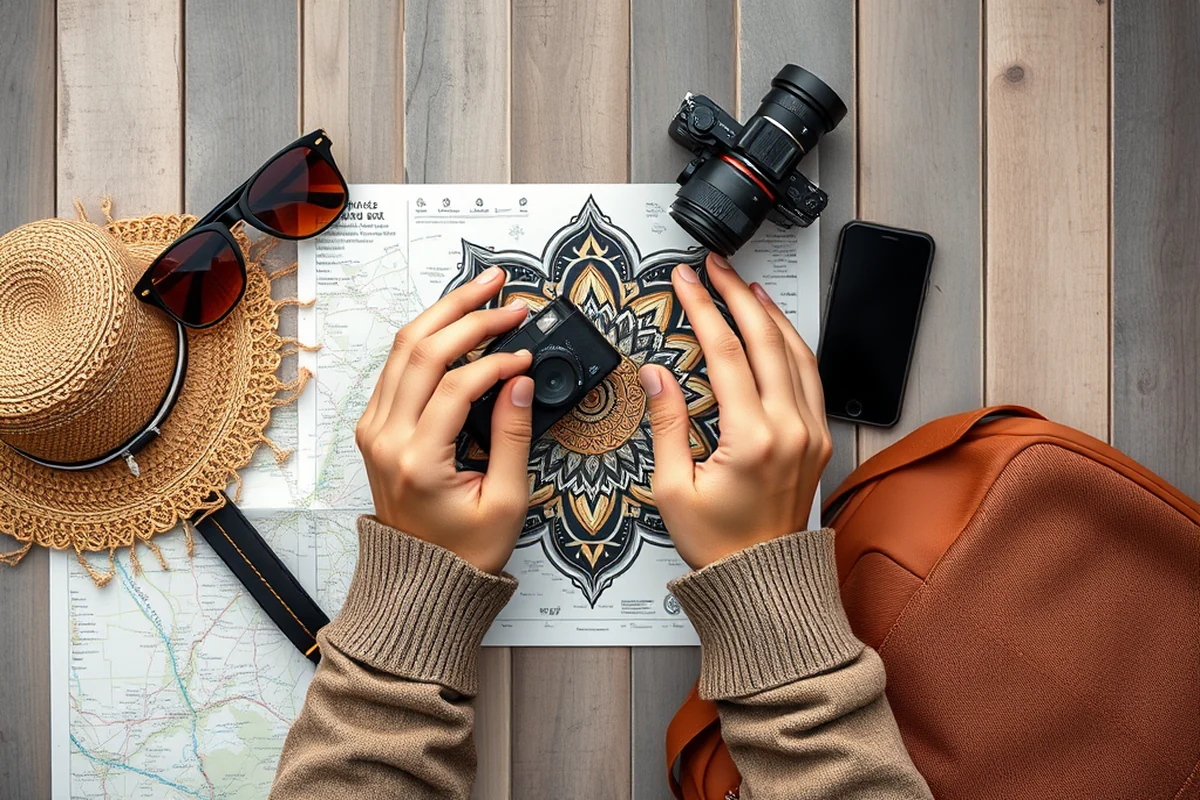
For many people, creating mandalas is a way to express their inner thoughts, emotions, and experiences. Unlike traditional forms of art, mandalas are often created without a specific plan, allowing the artist’s subconscious to guide the process. I’ve met several artists who use mandalas as a form of therapy, helping them process difficult emotions and find inner peace.
In some cultures, mandalas are used as a way to mark personal milestones or significant life events. I’ve seen mandalas created to celebrate achievements, such as graduation, marriage, or the birth of a child. These mandalas often feature symbols and colors that hold personal or cultural significance, making them deeply meaningful to the individuals who create them.
Even in modern times, mandalas continue to be used as a form of creative expression. Many contemporary artists draw inspiration from traditional mandalas, incorporating modern elements and techniques to create unique and innovative works. I’ve seen some of these modern mandalas in galleries in Europe and the United States, where they are displayed as both artistic and spiritual works.
The Global Influence of Mandala Art
The influence of mandala art can be seen in many aspects of modern life, from interior design to fashion and even digital media. In recent years, mandalas have become a popular subject in contemporary art, with many artists incorporating mandala patterns into their work. I’ve seen mandalas displayed in galleries in New York and London, where they are often accompanied by descriptions of their spiritual and cultural significance.
The popularity of mandala art has also led to the creation of mandala-based products, such as clothing, jewelry, and home décor. These items often feature mandala patterns and are designed to bring a sense of calm and balance to the spaces they occupy. I’ve found that mandala-themed clothing and accessories are particularly popular among spiritual practitioners and those who seek a more mindful lifestyle.
In addition to their aesthetic appeal, mandalas have also had a significant impact on the field of psychology and meditation. Studies have shown that meditating on mandalas can help reduce stress and improve mental well-being. I’ve personally used mandalas as a tool for meditation and have found that they can be a powerful way to center the mind and focus on the present moment.
The Future of Mandala Art
As the world becomes more interconnected, mandala art is being embraced by new generations of artists and practitioners who are using technology to create innovative and interactive mandalas. I’ve seen digital mandalas displayed in virtual reality experiences, where users can explore mandalas in three dimensions and interact with them in new ways.
At the same time, traditional mandala art is being preserved and passed down through cultural education programs and community initiatives. In many parts of the world, schools and cultural centers are teaching young people how to create mandalas using traditional techniques, ensuring that this ancient art form continues to thrive.
Looking to the future, mandala art is likely to play an even greater role in promoting cultural understanding and spiritual exploration. As more people become interested in mindfulness and holistic well-being, mandalas will continue to be a source of inspiration and a tool for personal and collective transformation.
Mandala art is not only a reflection of the past — it is a guide for the future.
How to Experience Mandala Art in the Modern World
If you’re interested in experiencing mandala art, there are many options available to you. One of the most immersive ways is to visit a place where mandalas are a part of the spiritual or cultural heritage, such as Nepal, India, or Bhutan. These countries offer a wide range of opportunities to see mandalas in their original context and to learn about their significance.
In addition to travel, you can also experience mandala art through meditation and artistic practice. Many meditation centers and spiritual retreats offer classes in mandala drawing or meditation, allowing you to engage with mandalas in a more personal and meaningful way. I’ve participated in several of these classes and found that creating a mandala is a deeply meditative and fulfilling experience.
For those who prefer a more modern approach, there are many books, online courses, and digital resources available that teach the history and practice of mandala art. Whether you’re a beginner or an experienced practitioner, there is something to be learned from mandala art in the modern world.
💰 Budget-Friendly Mandala Exploration
Experience mandala art without breaking the bank by visiting free cultural centers or attending local art fairs.
🌴 Long Weekend Mandala Adventure
Take a short trip to a nearby city with a rich mandala tradition, such as Kyoto or Varanasi, and immerse yourself in mandala culture.
👨👩👧👦 Mandala Art with Kids
Introduce children to mandala art through hands-on workshops, where they can create their own mandalas using safe, non-toxic materials.
🍂 Off-Season Mandala Travel
Visit destinations where mandala art is a part of the cultural heritage during the off-season, when prices are lower and the crowds are fewer.
💎 Luxury Mandala Experience
Stay in a high-end retreat that offers guided mandala meditation sessions and exclusive access to sacred mandala sites.
| The mistake | Why it happens | The fix |
|---|---|---|
| Assuming all mandalas are the same across cultures. | Mandala art varies widely across different regions and cultures, and each has its own unique symbolism and meaning. | Take the time to learn about the specific cultural context of the mandalas you encounter, and avoid making assumptions based on what you’ve seen elsewhere. |
| Disrespecting sacred mandalas by taking photos or touching them without permission. | In many cultures, mandalas are considered sacred and are used in spiritual practices. Taking photos or touching them without permission can be seen as disrespectful. | Before taking photos or interacting with mandalas, ask for permission and be mindful of local customs and practices. |
| Overlooking the deeper spiritual and cultural meanings of mandalas in favor of their aesthetic appeal. | Mandala art is not just about beauty — it’s a form of spiritual and cultural expression that has deep meaning for the communities that create them. | When experiencing mandala art, take the time to learn about its spiritual and cultural significance, and approach it with respect and curiosity. |
| Using mandalas in a way that is inconsistent with their traditional purpose. | Mandala art is often used in spiritual and meditative practices, and using them in ways that are inconsistent with their traditional purpose can diminish their meaning. | When using mandalas in your own practice, be mindful of their traditional purpose and use them in a way that is respectful and meaningful. |
What Is Mandala Art
Common Questions
Where can I see mandalas in their original cultural context?
How can I learn to create mandalas?
Are mandalas used in any modern artistic or therapeutic practices?
What is the best time of year to visit places with a strong mandala tradition?
References
- 2014 ELA/ELD Framework, Chapter 3 (cde.ca.gov)
- River Bluffs ScenicB yway - Iowa Department of Transportation (iowadot.gov)
- Older Adults Can Celebrate Volunteers at Somerset County Senior ... (somersetcountynj.gov)
Cite this guide
Arts and Culture Travel (2026). What Is Mandala Art. https://artwalksoul.com/what-is-mandala-art/
Feel free to cite or share this guide.