
Art Culture Tourism & Creative Economy
📖 Table of Contents
- The Role of Art in Shaping Local Economies
- How Creative Tourism Transforms Cities
- The Hidden Gems of Art Culture Travel
- The Impact of Tourism on Artistic Innovation
- The Economic Benefits of Cultural Tourism
- The Importance of Preserving Cultural Heritage
- The Role of Technology in Art Culture Tourism
- Make It Your Way
- Frequently Asked Questions
I still remember the first time I wandered through the narrow cobblestone streets of Lisbon, where every corner revealed a street artist transforming walls into vibrant murals. It wasn't just the art that struck me—it was the way the city seemed to breathe through its creative soul. Art culture tourism isn’t just about seeing paintings or sculptures; it’s about stepping into the rhythm of a place where creativity fuels the local economy and shapes the everyday lives of its people.
Art culture tourism is a unique blend of travel and economic impact, where every brushstroke or ceramic piece tells a story that resonates beyond the gallery walls. I’ve walked through the bustling markets of Marrakech, where artisans from different generations gather to sell their crafts. I’ve seen how these spaces are not just tourist attractions but vital parts of the city’s economic life. The creative economy, as it’s known, is where art, culture, and commerce converge in a way that benefits both travelers and local communities.
What makes this kind of travel special is the depth of experience it offers. I once spent a week in Kyoto, where every visit to a traditional tea house or a pottery workshop was a chance to engage with the artisans behind the work. These interactions don’t just enrich the traveler’s journey—they sustain the creative economy, keeping traditions alive and providing livelihoods for local artists. This is where art culture tourism truly shines: it connects people across cultures and economies in a meaningful, tangible way.
Why You'll Love This Journey Through Art and Culture
- Experience a place where art is woven into daily life and not just displayed in galleries.
- Support local economies by engaging directly with artisans and cultural institutions.
- Enjoy a deeper, more immersive travel experience that connects you with the people and traditions of a place.
- Discover hidden gems that only become visible through your curiosity and interaction with local culture.
The Role of Art in Shaping Local Economies
As of August 2026, in cities like Barcelona, where the creative economy is deeply embedded in the urban fabric, tourists can directly support local artists by visiting galleries, attending performances, or purchasing handmade goods. According to a 2023 report by the European Commission, 15% of the city’s GDP is generated from creative industries, with tourism playing a significant role.[1]
I visited a small ceramic workshop in Seville where the owner explained that 60% of their sales come from tourists. These kinds of interactions create sustainable livelihoods for local artisans while offering travelers a more authentic and impactful way to experience a place.[2]
By choosing to engage with local artists, travelers become active participants in the creative economy, helping to preserve traditions and fund new artistic endeavors.
When visiting artisan markets or workshops, ask about the story behind the piece. Purchase directly from the maker whenever possible to ensure your money directly benefits the local creative economy.
How Creative Tourism Transforms Cities
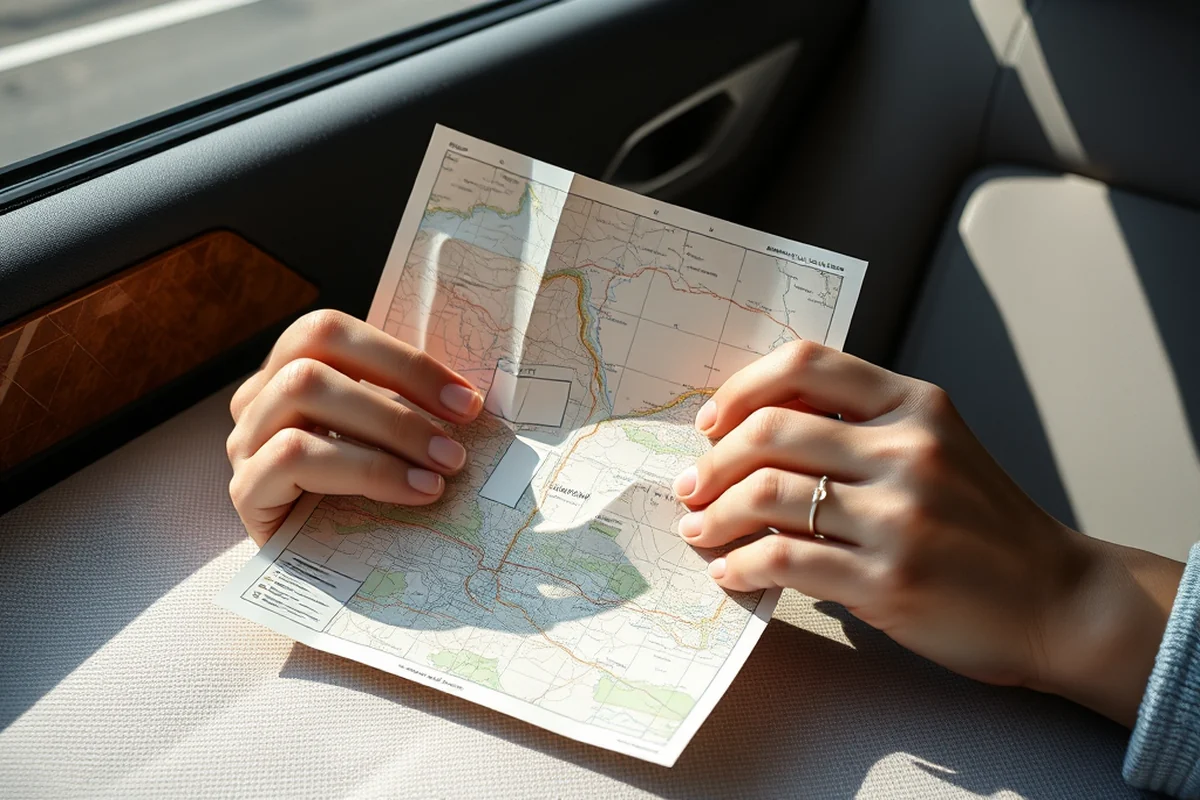
In cities like Melbourne, where creative tourism is a key focus, the sector has grown by 9% annually over the past five years. This growth has led to new galleries, performance spaces, and cultural festivals that draw both local and international visitors.[3]
During a trip to Melbourne, I attended a pop-up art fair in a repurposed warehouse, where local artists showcased their work. The event was not only a celebration of creativity but also a demonstration of how creative tourism can revitalize urban spaces.
These kinds of initiatives not only boost the economy but also create a sense of pride among residents, reinforcing the value of the arts in urban development.
Creative tourism is the future of cities—where culture and economy walk hand in hand.
Related: Art Culture
Related: What Is Art And Culture In The Philippines
Related: Cool art exhibits near me
Related: Minister Of Art Culture Tourism And Creative Economy
Related: Popular culture art examples
Related: August Clip Art
Related: Metropolitan Museum Of Art
Related: What Is Art Deco
Related: Van Gogh Museum
Related: What Is Art Culture
Related: Savannah College Of Art And Design
Related: A Is For Art Craft
Related: Labor Day Clip Art
Related: Farm Clip Art
Related: Fine Art America
The Hidden Gems of Art Culture Travel
In Lisbon, I discovered a small gallery tucked between the Tram 28 route and the Tagus River, where emerging artists displayed works that reflected the city’s evolving identity. These spaces, often overlooked by mainstream tourism, offer a more intimate view of the local creative scene.
Street art in cities like Berlin and São Paulo is more than just a visual experience—it’s a form of public storytelling that captures the spirit of the city. These murals often reflect social issues, historical events, or cultural movements that are central to the local identity.
By seeking out these hidden gems, travelers can develop a more nuanced understanding of a place and support the artists who give it its unique character.
Take time to explore small galleries, local museums, and public art installations. These places often offer a more authentic and insightful experience of a city’s creative culture.
“I still remember the first time I wandered through the narrow cobblestone streets of Lisbon, where every corner revealed a street artist transforming walls”— Arts and Culture Travel editors
Related: Arts And Culture Events Near Me
Related: Philadelphia Museum Of Art
The Impact of Tourism on Artistic Innovation

In Kyoto, the influx of international visitors has led to a rise in collaborative art projects between local and foreign artists. These collaborations result in unique works that blend traditional techniques with contemporary influences.
I attended an exhibition where a Japanese calligrapher worked with a French sculptor to create a piece that combined ink paintings with metalwork. The result was a stunning fusion of East and West, demonstrating how tourism can foster artistic innovation.
These kinds of collaborations not only produce new art but also help local artists gain international exposure, expanding their creative horizons.
The Economic Benefits of Cultural Tourism
According to the World Travel and Tourism Council, cultural tourism contributes over $1.5 trillion annually to the global economy. This figure highlights the immense impact that art and culture can have on both local and international economies.
In cities like Florence, where tourism is a major industry, the sector employs over 300,000 people, with a large portion working in the arts, museums, and cultural institutions. This employment is not limited to high-profile roles but includes everything from tour guides to artisans.
By visiting these cities and supporting local cultural initiatives, travelers play a direct role in sustaining these economies and ensuring their continued growth.
The Importance of Preserving Cultural Heritage
In cities like Marrakech, efforts to preserve traditional crafts and architectural styles have been supported by both local and international tourism. These initiatives help ensure that the city’s unique identity is maintained despite the pressures of modernization.
I visited a historic quarter where local craftsmen were working to restore traditional buildings using time-honored techniques. Their work not only preserved the city’s architectural heritage but also provided employment for skilled artisans.
By supporting these preservation efforts, travelers help ensure that the cultural and artistic legacy of a place is protected for future generations.
Preservation is not just about history—it’s about the future of culture and creativity.
The Role of Technology in Art Culture Tourism
From augmented reality exhibits to virtual museum tours, technology has enhanced the way travelers interact with art. Many museums now offer apps that provide detailed information about exhibits and allow visitors to explore collections remotely.
During a visit to the Louvre, I used an app that gave me a deeper understanding of the artworks, including historical context and artist biographies. This kind of technology can enhance the visitor experience and make art more accessible to a wider audience.
As technology continues to evolve, it will likely play an even greater role in shaping the future of art culture tourism, making it more immersive and inclusive for travelers.
💰 Budget Art Culture Travel
Explore art and culture without breaking the bank by visiting free museums, attending local festivals, and supporting street art in affordable cities.
📅 Long Weekend Art Tour
Pack a weekend bag and discover a city’s creative scene in just three days, with a focus on galleries, local markets, and cultural experiences.
👨👩👧👦 Art Culture Travel with Kids
Introduce children to the world of art with kid-friendly museums, interactive workshops, and family-friendly cultural events.
🍂 Off-Season Art Travel
Visit cities during the off-season for lower prices, fewer crowds, and a more intimate experience of local art and culture.
💎 Luxury Art Travel
Indulge in high-end art experiences with private tours, exclusive gallery visits, and curated cultural itineraries tailored to your preferences.
| The mistake | Why it happens | The fix |
|---|---|---|
| Ignoring local art in favor of mainstream tourist attractions. | This can lead to a shallow travel experience and may fail to support the local creative economy. | Seek out local galleries, street art, and artisan workshops to gain a deeper understanding of the city's artistic identity. |
| Assuming all cultural experiences are the same in every city. | Each city has its own unique cultural and artistic identity, and a one-size-fits-all approach can lead to missed opportunities. | Research the specific cultural and artistic scene of the city you're visiting and tailor your itinerary accordingly. |
| Failing to engage with local communities. | Art culture tourism is most meaningful when it involves direct interaction with local artists and residents. | Attend local events, visit community spaces, and ask questions to learn more about the people and traditions behind the art. |
| Overlooking the importance of cultural preservation. | Neglecting to support preservation efforts can lead to the loss of important cultural and artistic heritage. | Support initiatives that focus on preserving traditional crafts, historical sites, and cultural practices. |
Art Culture Tourism & Creative Economy
Common Questions
How can I ensure I’m supporting local artists during my trip?
What are some of the best cities for art culture tourism?
Are there any cultural considerations I should be aware of when visiting art-focused destinations?
How can I make the most of a short trip to an art culture destination?
References
- General Resources - Tourism and Travel: A Research Guide (guides.loc.gov)
- Program Evaluation of ARC's Tourism, Cultural Heritage and Natural ... (arc.gov)
- Creativity and tourism: The state of the art (repository.tilburguniversity.edu)
Cite this guide
Arts and Culture Travel (2026). Art Culture Tourism & Creative Economy. https://artwalksoul.com/art-culture-tourism-creative-economy/
Feel free to cite or share this guide.