What Is Human Anatomy In Art
📖 Table of Contents
I still remember the first time I walked into the Louvre, my eyes scanning the gallery walls, searching for something that would take my breath away. It wasn't the Mona Lisa or the Venus de Milo that caught my attention—it was a drawing of a human figure. Perfectly rendered that it felt like I was looking at a mirror of my own body. That moment was the start of my fascination with human anatomy in art, a subject that weaves together science and creativity in a way that's both intricate and mesmerizing.
Human anatomy in art is the study of the human form, as seen through the eyes of artists throughout history. It's more than just sketching muscles and bones; it's about understanding how the body moves, how it bends, and how it interacts with the world. I've spent weeks in museums and studios, tracing the lines of Renaissance sketches and modern sculptures, each one revealing a different insight into the human condition. It's a journey that's as much about seeing as it is about understanding.[1]
What I've discovered is that human anatomy in art is not just for professional artists or art historians. It's a lens through which we can appreciate the world around us, whether it's in the curve of a statue in a public square or the precise folds of a painter's brushstrokes. It's an invitation to look deeper, to see the beauty in the structure of the human body. To recognize that every artist, from the ancient Greeks to contemporary illustrators, has been trying to capture something eternal in their work.
Why You'll Love This Article
- Discover how human anatomy shapes the visual world around you.
- Learn to recognize the artistry behind every human form in museums and galleries.
- Understand the techniques artists have used for centuries to depict the human body.
- Gain a new appreciation for the interplay between science and art in visual culture.
What Is Human Anatomy In Art?
As of October 2026, at its core, human anatomy in art is the bridge between science and creativity. It's not just about drawing a body—it's about understanding how muscles contract, how bones support, and how skin folds under movement. I've sat in life drawing classes, watching artists dissect the human form, and I've realized that each line they create has a purpose.
This discipline has been crucial for artists across centuries. From the detailed sketches of Leonardo da Vinci to the dynamic sculptures of Michelangelo, the accurate portrayal of the human body has been a cornerstone of artistic expression. These works aren't just beautiful; they are scientifically precise, revealing the artist's deep knowledge of the human form.
When I visited the Royal Academy in London, I saw a series of anatomical drawings that were so detailed, they seemed to capture the very essence of life. These pieces showed how artists use anatomical knowledge not only to create realistic figures but also to convey emotion, movement, and even the passage of time.
Before diving into complex techniques, spend time learning the fundamental structures of the human body. This will help you recognize the anatomy in art more easily.
Part of our Art culture guide.
Why Human Anatomy Matters In Art

Art is only as powerful as its ability to communicate. A painting or sculpture that captures the human form with accuracy can tell a story more effectively than one that lacks structure or proportion. I once saw a portrait of a dancer, and the way the artist had rendered the muscles in motion made me feel the energy of the performance as if I were there.
Realism in art is not just about looking good; it's about looking right. The correct depiction of anatomy helps the viewer connect with the subject on a deeper level. Whether it's a statue in a museum or a sketch in a notebook, the accuracy of the figure's form can make the difference between a compelling piece and a flat, lifeless one.
In my travels, I've noticed how many artists use anatomy to create a sense of movement. In a sculpture garden in Florence, I saw a statue of a runner. The way the artist had captured the tension in the muscles and the tilt of the head made me feel as if the figure was about to take off.
Anatomy is the skeleton of art—it gives it form and meaning.
Related: What is a still life painting
The Role of Proportion In Artistic Anatomy
Proportion is the silent hero of artistic anatomy. If a figure's head is too large or its arms are too long, the entire piece feels off. I've seen countless artworks where the artist had a deep understanding of proportion, making the figures look not only realistic but also lifelike.
In life drawing classes, I've learned that the human body is not just a collection of parts—it's a system of ratios. Artists use these ratios to create figures that are in harmony with one another. For example, the length of the torso is often proportional to the head size, and the arms are usually about the same length as the torso.
When I visited the Vatican Museums, I saw a series of frescoes where the figures were so perfectly proportioned that they seemed to float in space. These works demonstrated how proportion, when mastered, can elevate a piece of art from good to extraordinary.
Use a ruler or measuring tape to analyze the proportion of figures in artworks or your own drawings. This will help you understand how artists achieve balance.
“I still remember the first time I walked into the Louvre, my eyes scanning the gallery walls, searching for something that would take my breath…”— Arts and Culture Travel editors
Related: Diamond art kits
The Influence of Anatomy on Art Movements
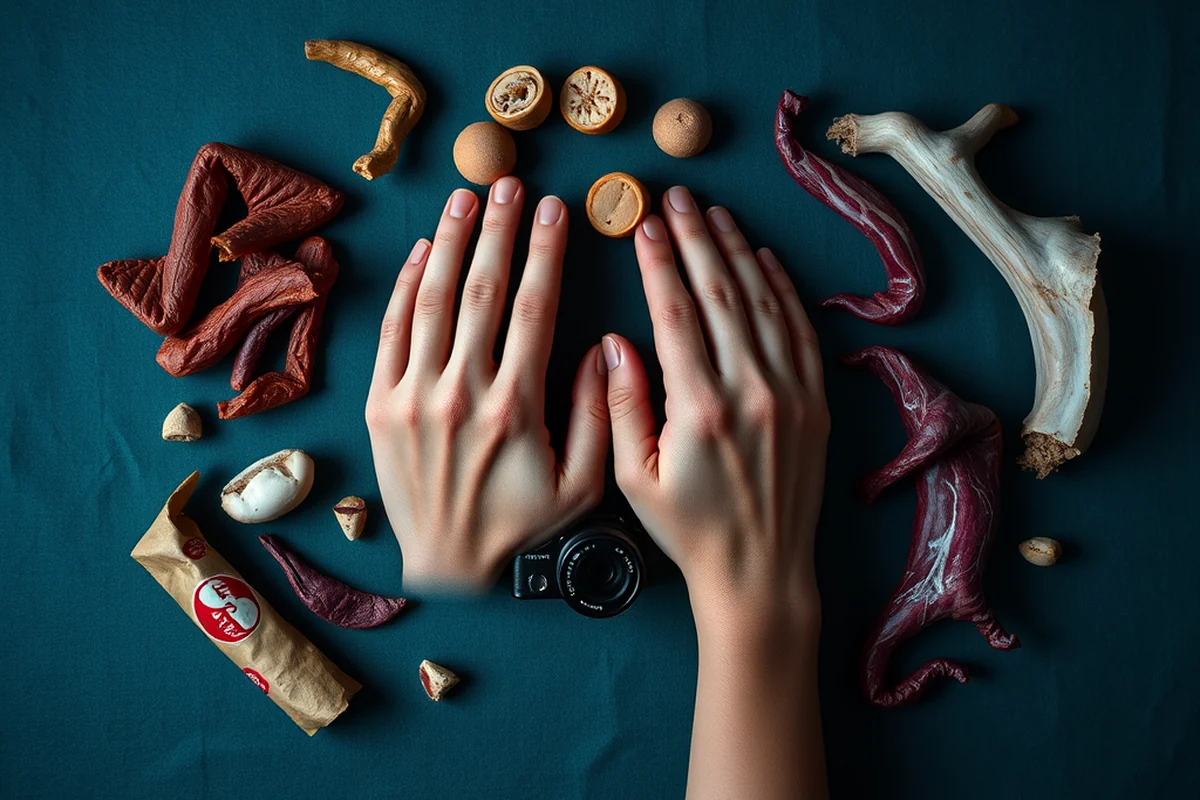
From the Renaissance to the modern age, anatomy has been a driving force behind artistic movements. The Renaissance, in particular, was a time when artists began dissecting cadavers to study the human form in greater detail. This scientific approach led to the creation of some of the most realistic and dynamic figures in art history.[2]
In the 20th century, artists like Picasso and Matisse took a different approach to anatomy, using it to convey emotion and abstraction. Their work showed how the human form could be distorted or exaggerated to express deeper meanings. This shift marked a significant departure from the classical approach to anatomy in art.
When I visited the Picasso Museum in Barcelona, I saw a series of sketches that showed his evolution from realistic portrayals to more abstract forms. These pieces demonstrated how anatomy, while still central to his work, became a tool for expression rather than just a subject to be rendered accurately.
Related: What is art deco earrings
How to Appreciate Anatomy in Art
Appreciating anatomy in art is like learning a new language—it takes time, patience, and a willingness to look closely. I've found that the more I study anatomy, the more I notice in the artworks around me. It's like having a secret code that unlocks the meaning behind each brushstroke.[3]
One way to begin is by looking at the way artists depict the human form in different cultures. In Japan, for example, artists often use exaggerated proportions to convey emotion, while in Renaissance Europe, the focus was on accuracy and realism. These differences show how anatomy in art is not just about the body—it's about the artist's perspective.
I've also found that visiting art museums with a friend who has a background in anatomy has been a revelation. They point out things I would have never noticed, like the tension in a muscle or the way light falls on a curve of the body. It's a new way of seeing the world, and it's incredibly enriching.
Related: What is national gallery of art
The Future of Anatomy in Art
The future of anatomy in art is being shaped by technology, offering new ways to study and create. Digital tools now allow artists to dissect the human form in 3D, giving them a level of precision that was once impossible. These tools have already started to change the way artists approach anatomy.[4]
In my travels, I've seen artists using 3D modeling software to create lifelike figures that can be viewed from any angle. This has opened up new possibilities for how anatomy is depicted in art, making it more interactive and dynamic. It's a game-changer for both artists and art enthusiasts.
As we move forward, I believe that the study of anatomy in art will become even more integrated with science. Artists and scientists are already collaborating on projects that use anatomical knowledge to create more realistic and expressive works. This fusion of disciplines is exciting and full of potential.
Technology is not replacing the human touch—it's enhancing it.
Related: What is art deco ring
The Importance of Practice in Mastering Anatomy
Practice is the foundation of mastering anatomy in art. Even the most talented artists started with simple sketches and gradually built their skills over time. I've spent hours in life drawing classes, watching how artists refine their work with each stroke of the pencil.
One of the most important things I've learned is that anatomy in art is not just about drawing—it's about observation. The more time you spend studying the human body, the more you'll notice in your own work and in the works of others. It's a skill that requires patience and dedication.
When I first started practicing, I struggled with proportion and muscle structure, but over time, I've seen improvement. It's not about being perfect—it's about being persistent. With enough practice, even the most complex figures can be rendered with accuracy and grace.
💰 Budget Travel
Explore museums and galleries with free or low-cost entry, focusing on the fundamentals of human anatomy in art.
⏳ Long Weekend
Pack a quick itinerary to visit key art museums and take short sketching classes to understand anatomy in art.
👨👩👧👦 With Kids
Visit interactive art museums where children can learn about human anatomy in a fun and engaging way.
🍂 Off-Season Travel
Take advantage of lower prices and fewer crowds to explore art galleries and practice drawing human anatomy.
💎 Luxury Travel
Stay at high-end art hotels and take private anatomy drawing classes with renowned artists.
| The mistake | Why it happens | The fix |
|---|---|---|
| Ignoring the fundamentals of anatomy | Focusing only on the surface without understanding the structure can lead to unrealistic or unbalanced figures. | Start with basic anatomy studies and ensure you understand the foundational elements before moving to advanced techniques. |
| Overlooking the importance of proportion | Ignoring proportion can make figures look distorted or unnatural, even if the anatomy is accurate. | Use measuring tools and reference materials to ensure your figures maintain proper proportions. |
| Not practicing regularly | Anatomy in art requires consistent practice to build and maintain skills. | Set aside time each week for sketching or studying anatomy in art to improve over time. |
| Focusing too much on one aspect of anatomy | Overemphasizing one element, such as muscle structure, can lead to an imbalance in the overall figure. | Balance your focus between different aspects of anatomy, such as proportion, movement, and form. |
| Relying too heavily on digital tools | While digital tools are helpful, they can reduce the importance of traditional drawing skills and observation. | Use digital tools as a supplement to your practice, not a replacement for traditional techniques. |
What Is Human Anatomy In Art
Common Questions
How can I start learning about human anatomy in art?
What are some key elements of human anatomy that artists focus on?
Can I study human anatomy in art without being a professional artist?
How does anatomy in art influence different art styles?
References
- VA FY 20 Pricing Structure 1.11.2019 (adecm.ade.arkansas.gov)
- Human Anatomy | Smithsonian American Art Museum (americanart.si.edu)
- Naru Kwina - Alameda County Arts Commission (arts.alamedacountyca.gov)
- BAC Adult Program - Barnsdall Arts Center (barnsdallarts.lacity.gov)
Cite this guide
Arts and Culture Travel (2026). What Is Human Anatomy In Art. https://artwalksoul.com/what-is-human-anatomy-in-art/
Feel free to cite or share this guide.