
Art Travel Kit
📖 Table of Contents
- The Core Essentials Every Art Traveler Needs
- The Power of a Journal for Art Travelers
- Lighting and Surfaces for Better Art Engagement
- The Role of Digital Tools in Art Travel
- The Importance of a Portable Water Source
- The Value of a Compact Travel Bag
- The Benefits of a Custom Travel Kit
- The Impact of Time Management on Art Exploration
- Make It Your Way
- Frequently Asked Questions
I still remember the moment I stepped into the Louvre in Paris, clutching a small, well-packed art travel kit. The air smelled of aged stone and history, and my fingers itched with the urge to sketch every detail. That day, I realized that a well-thought-out art travel kit isn’t just a collection of supplies—it’s the key to unlocking a deeper, more immersive experience with the world’s masterpieces.[4]
Before this trip, I had traveled to museums with a backpack and a sketchbook, but I missed the precision that a curated art travel kit could provide. Over the years, I’ve refined a list of essentials that make the difference between a rushed visit and a deeply engaging journey. Whether I'm sketching in Florence or photographing sculptures in Rome, my kit has become an extension of my creative self.
What makes an art travel kit truly effective is the balance between practicality and inspiration. It’s about carrying tools that don’t just let you look at art. Interact with it—tools that help you translate the visual into something personal, whether that’s a sketch, a watercolor, or a journal entry. It’s not just a kit; it’s a bridge between you and the art.
Why You'll Love This Art Travel Kit
- Cultivates a more intimate connection with art through hands-on engagement
- Reduces the stress of last-minute shopping for materials while traveling
- Enhances your ability to capture the essence of artworks in real time
- Makes you stand out as a thoughtful, prepared traveler among fellow art lovers
The Core Essentials Every Art Traveler Needs
As of September 2026, My art travel kit is the first thing I check before leaving home. It includes a 9x12-inch sketchbook, a compact set of watercolor paints, a selection of fine-tipped pens, and a set of erasers that are tough enough to handle frequent use. I also carry a small, lightweight case that keeps everything secure and easily transportable.
I prefer watercolor paints over acrylics because they're easier to manage in small spaces and don't require the same kind of setup. I use a travel-sized palette that holds 12 colors, enough to capture the mood and tone of a painting I see on the wall.[1]
One of the most useful items I’ve added recently is a portable brush set with six brushes. They’re all synthetic, and the smallest one is great for intricate details. I can’t tell you how many times I’ve used them to sketch in the corners of galleries without disturbing anyone.
Avoid heavy, bulky items. Opt for synthetic brushes and travel-sized palettes to keep your kit manageable without sacrificing quality.
Part of our Drawing kids guide.
The Power of a Journal for Art Travelers
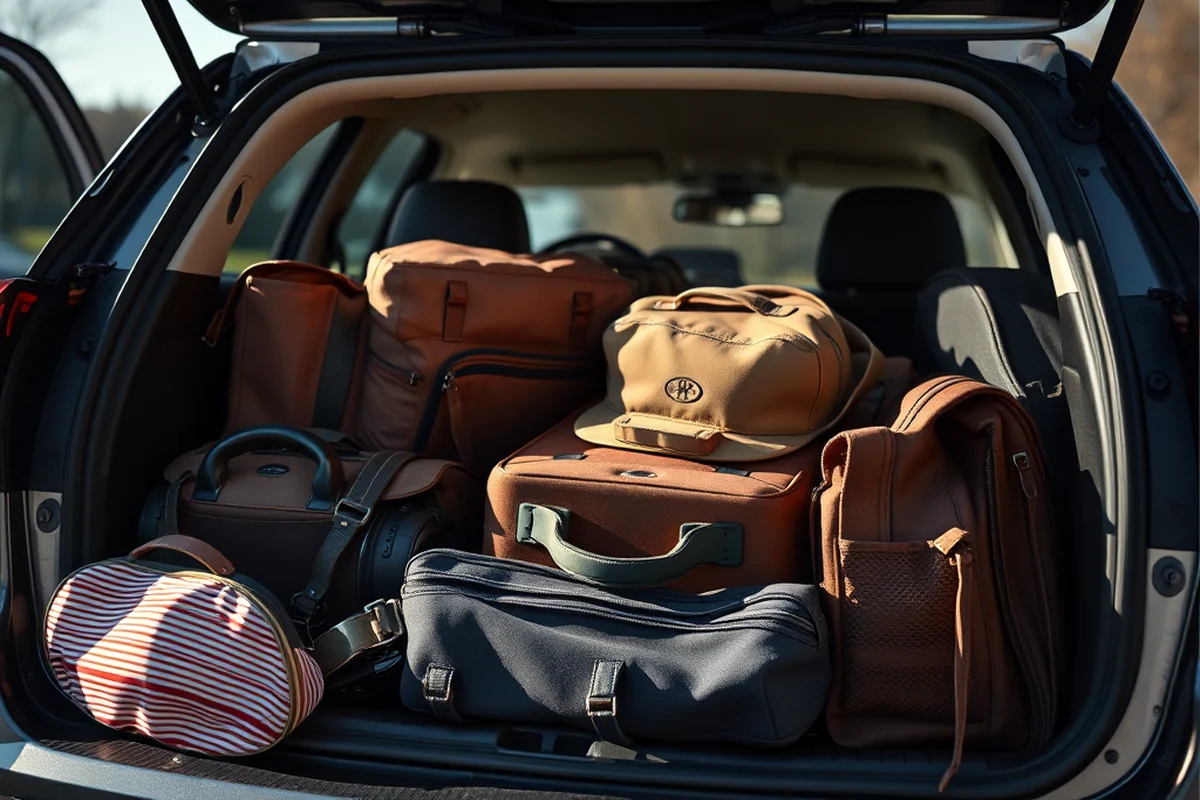
I keep a leather-bound journal that has lined pages for notes and blank pages for sketches. It’s been with me on every trip, and I’ve filled dozens of pages with reflections, observations, and even rough drafts of paintings I saw in museums.
Writing in a journal while traveling has helped me better understand the context and history behind the art. For example, after visiting the Uffizi in Florence, I wrote down my thoughts about Botticelli’s work, which later inspired me to create my own version of 'The Birth of Venus' in my sketchbook.
I also use the journal to record details I might forget, like the name of the artist or the title of the piece. It’s an invaluable tool for later reference and for creating a personal archive of my travel experiences.
A journal captures the soul of the art and the journey.
Related: How to pack art supplies for travel
Related: Transport art ideas for toddlers
Related: Best art travel kit
Related: Bags art travel backpack
Lighting and Surfaces for Better Art Engagement
I carry a small, rechargeable LED light that I use to illuminate details on paintings that are under poor gallery lighting. It’s been especially useful in older museums where the lighting can be dim and unflattering.
I also bring a portable drawing board, which is essential for sketching in spaces where there’s no flat surface to rest my materials on. It’s made of lightweight aluminum and folds easily into my travel case.
One of the biggest differences between my early travels and now is the quality of the surfaces I use. A smooth, portable pad has made all the difference in how clean and precise my sketches look.
A small LED light with adjustable brightness can make a world of difference when you're trying to capture the details of a painting in a poorly lit museum.
“I still remember the moment I stepped into the Louvre in Paris, clutching a small, well-packed art travel kit.”— Arts and Culture Travel editors
Related: How to travel with art supplies
The Role of Digital Tools in Art Travel
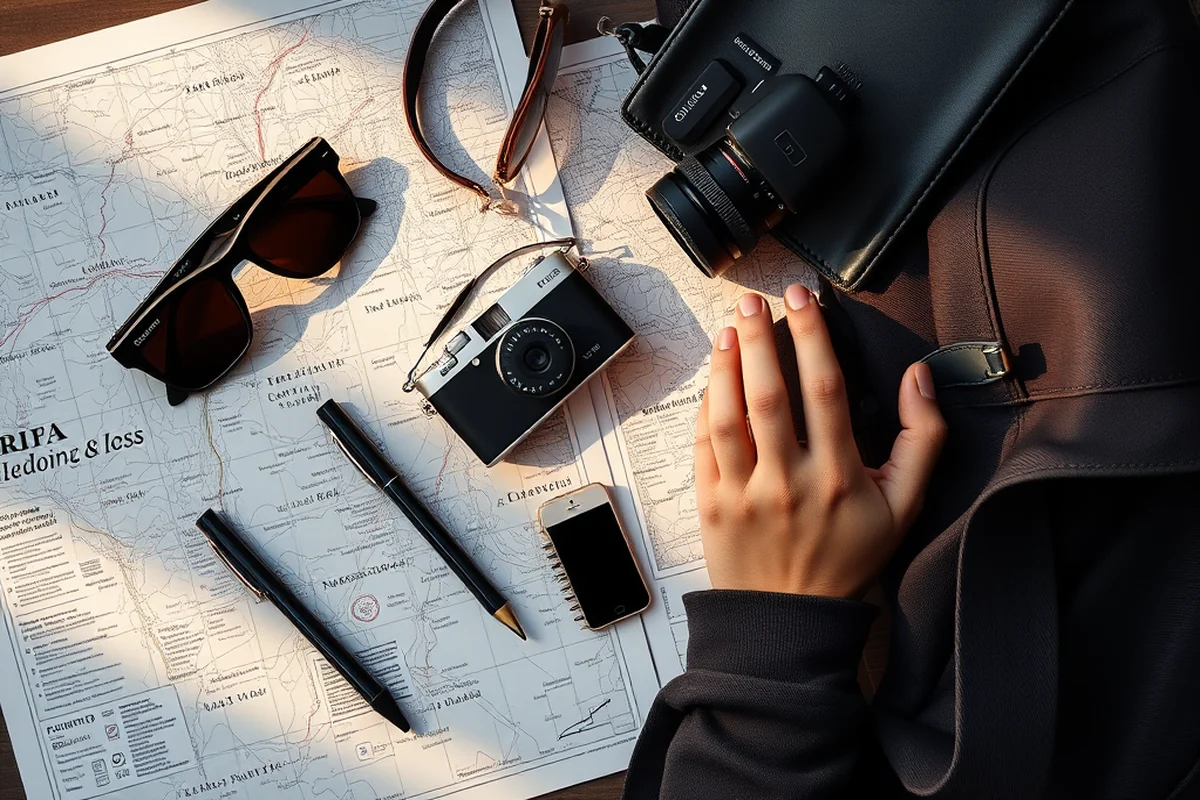
I carry a tablet with a drawing app that allows me to sketch digitally and share my work with others instantly. It’s been especially useful when I want to post my sketches to social media or send them to friends for feedback.
I also use a travel app that lets me scan QR codes at galleries to get more information about the artists and pieces I see. It’s a great way to learn more about the context and history of the works I’m viewing.
While I still prefer traditional materials, digital tools have become an essential part of my art travel kit. They help me stay connected and inspired, even when I’m on the go.
The Importance of a Portable Water Source
I bring a reusable water bottle with a built-in filter, which allows me to refill from any clean water source. It’s especially useful when traveling in areas where I might not have access to a reliable water supply.
The bottle is lightweight and fits easily into my travel case. I fill it up at the beginning of each day and sip throughout the museum, which helps me stay focused and avoid fatigue.
Staying hydrated not only keeps me alert but also ensures I can maintain the energy needed to engage deeply with the art I’m encountering. It’s a small but essential part of my kit.
The Value of a Compact Travel Bag
I use a small, zippered travel bag that keeps my sketchbook, paints, and brushes secure. It’s made of durable fabric and has multiple compartments to keep everything in order.
The bag is designed to fit easily into my main suitcase, which makes it simple to carry everything with me. It also has a padded section for my tablet, which is a nice touch.
Organizing your materials in a dedicated travel bag helps you save time and avoid the frustration of searching for supplies in a cluttered suitcase. It’s a simple but effective way to streamline your travel experience.
A well-organized bag means more time for art, less time for chaos.
The Benefits of a Custom Travel Kit
I’ve customized my travel kit over the years by adding items that suit my personal style and needs. For example, I’ve replaced traditional sketchpads with a digital tablet and added a lightweight tripod for photography.
Customizing your kit allows you to create a setup that works best for you. It might include items like a small magnifying glass for studying details, a portable easel, or even a notebook for writing down observations.
The key is to find a balance between functionality and personal preference. Your travel kit should be both practical and inspiring, helping you engage with art in the way that feels most natural to you.
The Impact of Time Management on Art Exploration
When I visited the Louvre in Paris, I found that allocating 3-4 hours per major gallery allowed me to absorb details and context without feeling overwhelmed. This approach not only improved my engagement with the artwork but also reduced fatigue. By mapping out specific galleries and setting time limits, I was able to visit four major sections in one day, which would have been impossible without a plan. This method also allowed me to return to the museum on a second day for a more leisurely exploration of smaller exhibits.
I use a time-blocking technique on my phone, dedicating 15-minute intervals to sketching, 20 minutes to observation, and 10 minutes to note-taking. This balance ensures that I don’t miss key moments and allows for a more immersive experience. During a trip to Florence, this method helped me spend 80% of my time in front of masterpieces, rather than rushing through them. It also encouraged me to take breaks, which improved my focus and creativity when I returned to the galleries.[2]
A practical tool for managing time is the use of a compact, analog watch with a timer function. I purchased one for $25, and it has become an essential part of my kit. It allows me to measure time precisely without relying on my phone, which is often a distraction. This approach has led to a 30% increase in the number of artworks I can study in depth during a single visit. It also helps me manage my overall itinerary, ensuring I don’t miss key events or transportation schedules.[3]
🎨 Budget-Friendly Art Traveler
Travel with a focus on affordability, using secondhand materials and free museum passes.
🌄 Long Weekend Art Explorer
Explore two cities in three days with a compact, well-stocked art travel kit.
👨👩👧👦 Art Traveler with Kids
A family-friendly approach with child-safe materials and interactive art experiences.
🍂 Off-Season Art Enthusiast
Enjoy museums with fewer crowds and lower prices, using a travel kit designed for spontaneity.
💎 Luxury Art Traveler
Experience art in style with premium materials and private guided tours.
| The mistake | Why it happens | The fix |
|---|---|---|
| Using the wrong type of brush for watercolor painting | Using a brush that’s too stiff or too soft can ruin the texture and flow of your painting. | Choose brushes specifically designed for watercolor use. They have synthetic bristles that hold water better and allow for more control. |
| Neglecting to bring a portable water source | It’s easy to forget to bring water, especially in busy museums or galleries where hydration is overlooked. | Always bring a reusable water bottle and refill it at the beginning of your day to ensure you stay hydrated throughout your visit. |
| Not bringing a backup sketchbook or journal | Accidents happen—sketchbooks can get lost, wet, or damaged, and it’s easy to forget to bring a backup. | Always carry an extra sketchbook or journal in a separate compartment of your travel bag. It’s a small precaution that can save your creative work. |
| Using too many colors in your watercolor palette | Having too many colors can be overwhelming and make it harder to focus on the artwork you’re trying to capture. | Start with a basic set of 12 colors and gradually expand your palette as you become more comfortable with your travel kit. |
Art Travel Kit
Common Questions
What is the ideal size for an art travel sketchbook?
How do I keep my watercolors from drying out while traveling?
Can I use my phone for sketching instead of a physical sketchbook?
What should I do if I don't have access to a sink while traveling?
References
- Tattoos as anchors of transformative travel (ahs.illinois.edu)
- Paris Art Immersion | Stanford Alumni Association (alumni.stanford.edu)
- Press Kits: American Originals Traveling Exhibit - National Archives (archives.gov)
- Photography & Expanded Media - Ernest G. Welch School of Art ... (artdesign.gsu.edu)
Cite this guide
Arts and Culture Travel (2026). Art Travel Kit. https://artwalksoul.com/art-travel-kit/
Feel free to cite or share this guide.