
What Is Mandala Wall Art
📖 Table of Contents
- What Is Mandala Wall Art and Its Origins
- How Mandala Wall Art Transforms Spaces
- The Benefits of Incorporating Mandala Art in Travel Spaces
- Types of Mandala Wall Art You Can Encounter on Your Travels
- How to Choose the Right Mandala Wall Art for Your Space
- Mandala Wall Art in Modern Interior Design
- The Spiritual and Cultural Significance of Mandala Wall Art
- Make It Your Way
- Frequently Asked Questions
The first time I encountered mandala wall art, I was wandering through the labyrinthine alleys of a small village in India, where the air was thick with the scent of incense and the hum of ancient stories. That day, I saw a mandala painted on a stone wall — not just any pattern, but a complex, symmetrical design that seemed to pulse with energy. It caught my breath, and it stayed with me long after I left the village.[1]
Mandala wall art is more than just decoration; it’s a form of spiritual expression that has its roots in Hindu and Buddhist traditions. While I had heard of mandalas before, I had never considered them as wall art — until that day in India. Since then, I’ve been fascinated by how mandalas can transform spaces, both physically and emotionally, turning a bare wall into a sanctuary of color and meaning.[2]
What is mandala wall art, you ask? It’s a geometric design that symbolizes the universe, often used as a meditation aid or a way to bring balance and harmony into a space. I’ve since encountered mandalas in temples, homes, and even on the walls of travel accommodations. Each one tells a different story, and each one is a reminder that sometimes, the most beautiful things are the ones that require a moment of stillness to truly appreciate.[3]
Why You'll Love This Art Form
- It brings a sense of calm and spiritual connection to any space.
- It offers a unique way to decorate your home or travel lodgings.
- It can be tailored to personal taste and symbolism.
- It’s often used in wellness retreats and meditation centers around the world.
What Is Mandala Wall Art and Its Origins
As of October 2026, the word 'mandala' comes from the Sanskrit language and means 'circle.' In its traditional form, a mandala is a symbolic representation of the universe, often used in meditation and rituals. I first encountered mandalas in temples in Nepal, where they were painted on the walls and floors — intricate, symmetrical patterns that seemed to draw the eye inward and outward at the same time.[4]
In many cultures, mandalas are believed to bring balance, clarity, and spiritual growth. I remember one specific temple where mandalas were painted on the ceiling — when you looked up, the colors and shapes created a kind of visual harmony that made you feel as though the entire universe was in perfect alignment.
Today, mandala wall art is not just limited to religious spaces. Artists and interior designers have adapted the concept to modern living, using mandalas to bring a sense of calm and focus into homes, offices, and even hotels. I've seen them used in wellness retreats where they help guests transition into a meditative state.
If you're interested in seeing traditional mandala art, visit the ancient Swayambhunath Stupa in Kathmandu. It's a 14th-century site with intricate mandala designs that are still used in religious ceremonies.
Part of our Art culture guide.
How Mandala Wall Art Transforms Spaces

When I visited a meditation center in Bali, the entire building was decorated with mandala wall art. The walls seemed to breathe — each pattern was different, yet they all shared a common language of symmetry and color. It was like walking through a living tapestry of spiritual meaning.
The effect of mandala wall art is not just visual; it's emotional. I stayed in a guesthouse in India where the main room had a large mandala painted on the wall. I remember feeling calmer, more focused, and even more open to the experiences that awaited me in the days ahead.
This transformation is not just for homes or temples. Hotels, spas, and even airports have started using mandala wall art to create a sense of peace and connection. It's a subtle but powerful way to influence the mood of a space.
Mandala art is a silent conversation between the observer and the cosmos.
Related: Farm clip art
The Benefits of Incorporating Mandala Art in Travel Spaces
During a trip to Bhutan, I stayed in a guesthouse where the rooms were adorned with traditional Bhutanese mandala wall art. I noticed that the design was not just for decoration — it was a way of honoring the spiritual heritage of the region. The art seemed to welcome me and help me feel more at ease in this remote, mountainous country.
Mandala wall art in travel accommodations can create a unique and memorable experience. I've seen it used in hotels in Japan, where the designs are inspired by local culture and history. It adds a layer of meaning to the space that goes beyond aesthetics.
For travelers, mandala wall art can be a reminder of the journey they're on — a visual representation of the balance between the inner self and the outer world. It’s a subtle but powerful way to create a sense of connection and mindfulness.
If you're planning a trip to Asia, consider staying in a hotel that uses mandala wall art in its design. Many wellness retreats in Thailand and Bali incorporate mandalas into their interiors for a calming, spiritual effect.
“The first time I encountered mandala wall art, I was wandering through the labyrinthine alleys of a small village in India, where the air was…”— Arts and Culture Travel editors
Related: Art of zoo
Types of Mandala Wall Art You Can Encounter on Your Travels
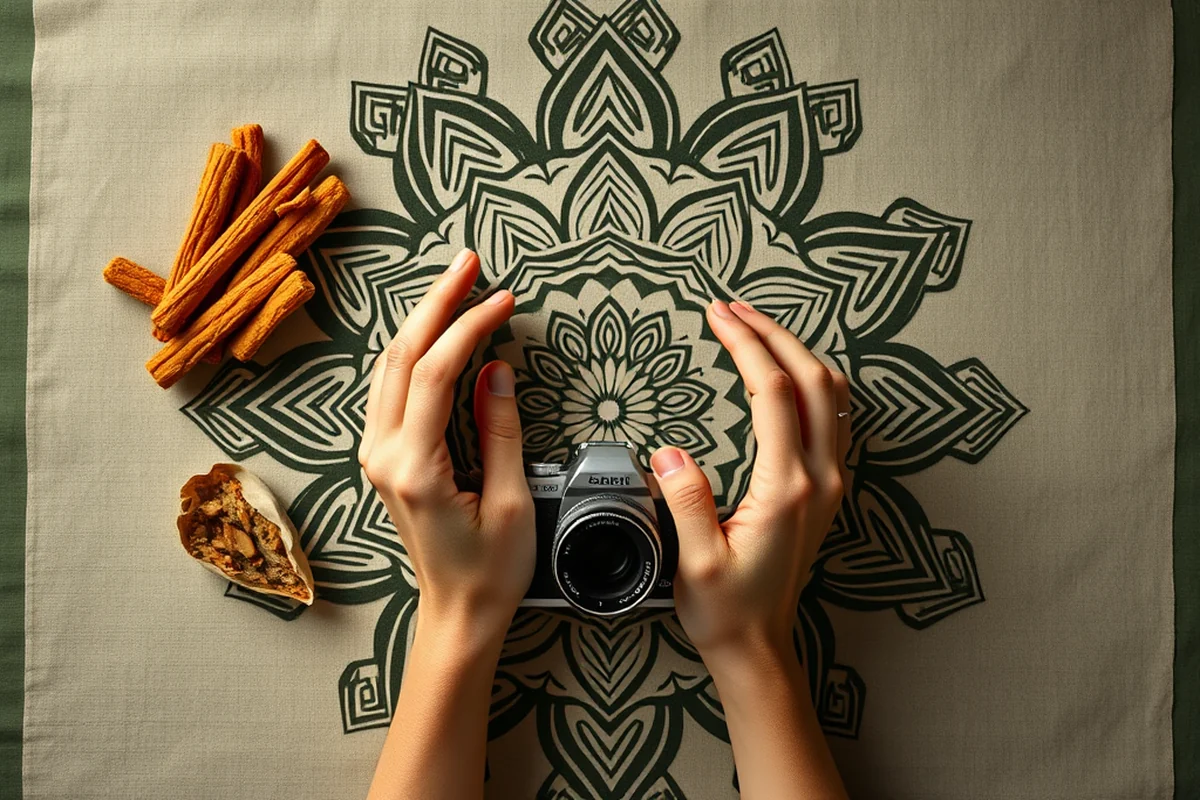
Depending on the region, you can find mandala wall art in many different styles. In India, I've seen mandalas painted on stone and clay, often in bright, bold colors. In Bhutan, they are more subdued, with intricate patterns that reflect the country's Buddhist heritage.
In Japan, mandalas are often used in temples and shrines, where they are painted on the walls and floors. The colors are more muted, and the designs are more fluid, resembling the natural patterns of rivers and mountains.
Each style of mandala wall art offers a different experience. Whether you're in a temple, a hotel, or a home, the mandala art you encounter will be shaped by the culture and traditions of the place you're visiting.
Related: Free clip art
How to Choose the Right Mandala Wall Art for Your Space
When I was decorating my apartment, I wanted to add a piece of mandala wall art to my living room. I visited a gallery in Kyoto where there were mandalas in various sizes and styles. I ended up choosing one that was inspired by Japanese tea ceremonies — it had a minimalist design that fit perfectly with my space.
If you're looking to add mandala wall art to your home or travel space, consider the size of the wall and the overall design of the room. A large mandala can be a focal point, while smaller ones can be used to add subtle depth and meaning.
It's also important to consider the symbolism of the mandala. Some designs are more spiritual, while others are more decorative. Choosing one that resonates with you will make the space more meaningful and personal.
Related: What is the photo gallery
Mandala Wall Art in Modern Interior Design
During a visit to a design fair in Berlin, I saw a number of modern interiors that featured mandala wall art. The designs were inspired by traditional mandalas but had a more contemporary feel, with bold colors and abstract shapes. It was fascinating to see how the ancient art form was being reimagined for modern living.
In some cases, designers are using mandala wall art as a way to create a sense of balance in a space. I saw one living room where the walls were covered in a series of mandalas — each one different but connected by a common color scheme and theme.
This blending of tradition and modernity is a growing trend. Whether you're a traveler looking for a unique accommodation or a home decorator seeking inspiration, mandala wall art offers a creative and meaningful way to enhance your space.
Mandala art is a bridge between the ancient and the modern.
Related: A is for art craft
The Spiritual and Cultural Significance of Mandala Wall Art
In many cultures, mandala wall art is used as a tool for meditation and self-reflection. I remember attending a meditation session in a temple in Thailand where the mandalas on the walls were said to help participants focus their thoughts and find inner peace.
The spiritual significance of mandala wall art is not limited to religious spaces. In many wellness retreats around the world, mandalas are used as a way to help guests connect with their inner selves and find balance.
This spiritual and cultural significance is what makes mandala wall art so powerful. Whether you're a traveler looking for a deeper connection to a place or someone seeking a way to bring more meaning into your home, mandala art can be a transformative experience.
🧘 Cultural Immersion Trip
A 4-day journey through Nepal and Bhutan, visiting temples and monasteries with mandala wall art, costing around $680.
🛏 Luxury Retreat
A 7-day retreat in Bali, staying in a resort with mandala-inspired interiors and wellness activities.
🧳 Budget-Friendly Exploration
A 3-day trip to India, exploring mandala art in temples and markets for under $300.
🌦 Off-Season Adventure
A 5-day visit to Kyoto in the spring, exploring mandala art in temples with fewer crowds and lower prices.
👨👩👧👦 Family-Friendly Journey
A 6-day trip to Japan, including mandala art workshops and family-friendly accommodations.
| The mistake | Why it happens | The fix |
|---|---|---|
| Assuming all mandala wall art is the same | Mandala wall art varies greatly by culture, style, and symbolism. Not all mandalas are created equal or have the same meaning. | |
| Trying to touch or take mandala art without permission | Mandala wall art in temples and sacred spaces is often considered sacred and should not be touched or removed. | |
| Ignoring the spiritual significance of mandala art | Mandala wall art is not just decoration — it has deep spiritual and cultural meaning. Dismissing this can be disrespectful. | |
| Choosing mandala art that doesn’t match the space | Mandala wall art should be chosen based on the size, style, and purpose of the space where it will be placed. | |
| Not researching mandala art before traveling | Understanding the cultural and spiritual significance of mandala art can enhance your travel experience and help you connect more deeply with the places you visit. |
What Is Mandala Wall Art
Common Questions
What is the difference between traditional and modern mandala wall art?
Where can I see mandala wall art during my travels?
Can I bring mandala wall art home with me?
What makes mandala wall art unique compared to other forms of wall art?
References
- Water Current Walking Tour - City of Milwaukee (city.milwaukee.gov)
- Mindful Mandala Art Therapy in Partial Hospitalization with Children (digitalcommons.lesley.edu)
- City Council Newsletter - Eugene, Oregon (eugene-or.gov)
- Art as Agency: Exploring Empowerment of At-Risk Youth - ERIC (files.eric.ed.gov)
Cite this guide
Arts and Culture Travel (2026). What Is Mandala Wall Art. https://artwalksoul.com/what-is-mandala-wall-art/
Feel free to cite or share this guide.