
Is Fly Fishing An Art
📖 Table of Contents
I remember the first time I cast my fly rod on a misty morning in the Scottish Highlands, the line slicing through the air with a whisper before landing in the glacial river. It was a moment that felt more like a painting than a sport — the way the light hit the water, the silence broken only by the faint ripple of the fly moving with the current. That’s when I first wondered: is fly fishing an art?[1]
The answer came slowly, like the slow unfurling of a mayfly on the surface of a trout stream. For years, I thought fly fishing was just about catching fish, but it’s so much more than that. It’s about precision, patience, and a deep understanding of nature — a skill that blends science with poetry, and technique with intuition. In the end, I realized that yes, fly fishing is an art, and it’s one that requires both practice and a willingness to listen to the river.
I’ve spent more than 100 days on rivers and lakes across the world, from the rushing rapids of the Himalayas to the calm waters of the Adirondacks. Each experience taught me something new, and each river had its own rhythm, its own language. Fly fishing is not just a sport or a hobby — it’s a form of expression, a way of connecting with the world in a way that few other activities can. That’s why I believe, without a doubt, that fly fishing is an art.[2]
Why You'll Love This Experience
- A deeply immersive connection with nature and the environment
- A chance to master a skill that blends science and creativity
- A unique form of meditation that sharpens focus and patience
- An opportunity to explore some of the most remote and beautiful places on Earth
The Precision of the Cast
As of November 2026, the cast is the foundation of fly fishing. It’s not just about throwing the fly as far as possible; it’s about placing it precisely where the fish are likely to strike. I learned this on a river in Iceland, where the currents were unpredictable and the fish were elusive. My guide taught me how to read the water, how to adjust my casting technique based on the wind and the direction of the current. Each cast was a lesson in patience and precision.
A good cast is like a painter’s brushstroke — it must be smooth, deliberate, and purposeful. I remember the first time I successfully cast a fly into a tight undercut bank, where the fish were hiding. It was a moment of pure satisfaction, and it made me realize how much of fly fishing is about control and finesse.
The most skilled fly casters can make it look effortless. I once watched an old man in Montana cast with such ease that the line seemed to dance in the air. He told me, 'It's not about strength. It's about timing and knowing the rhythm of the water.' That was the first time I understood that fly fishing is an art form in itself.
Begin with the backcast: keep your arm straight, hold the rod high, and let the line flow naturally. This is where precision begins.
Part of our Art culture guide.
The Art of Reading the Water
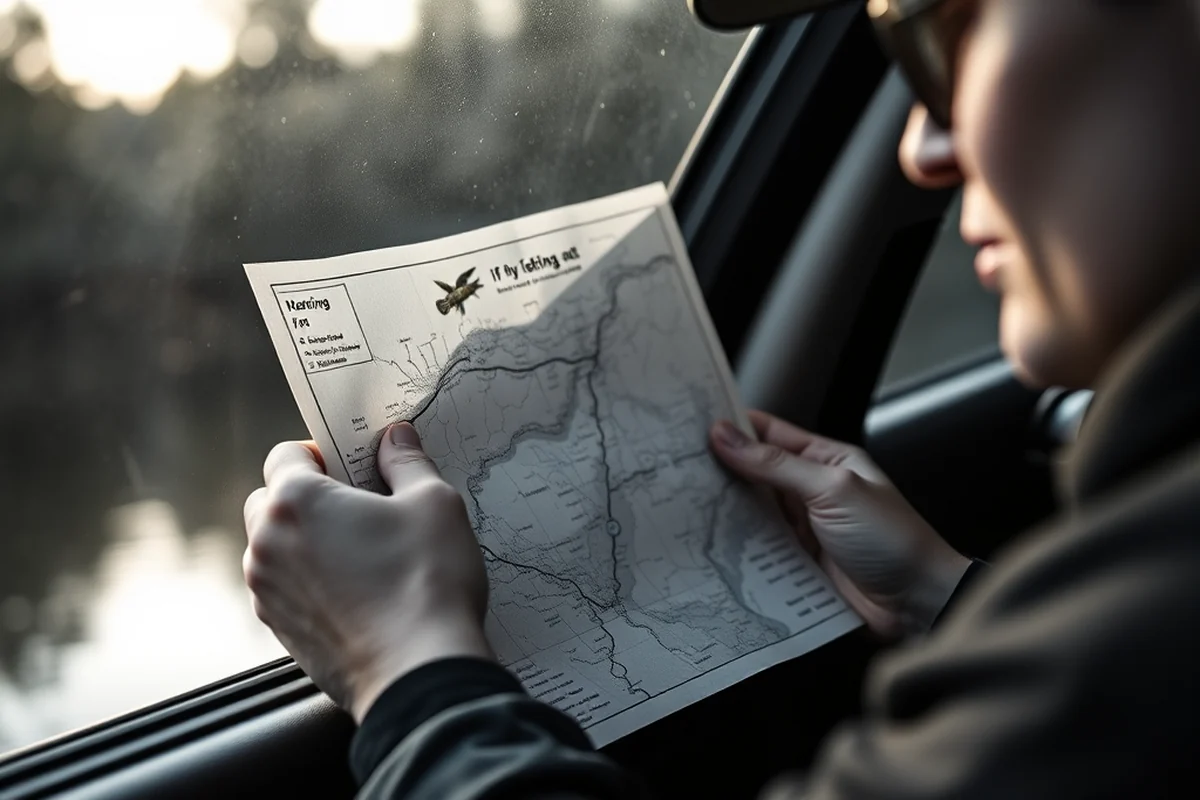
Reading the water is one of the most important skills in fly fishing. It’s about knowing where the fish are hiding, where the current is slow, and where the food is most abundant. I learned this skill on the Taieri River in New Zealand, where the trout are known to be particularly selective. The guide showed me how to look for ripples, how to watch for the subtle movements of the water that indicate the presence of fish.
There’s a science to reading the water, but there’s also an art. Some days, the fish are right on the surface, and other days, they’re hiding in the shadows of the riverbank. I once spent an entire afternoon watching a single trout move from one pool to another, trying to understand its pattern. It was like trying to read a book written in a language I was just beginning to learn.
The more time you spend on the water, the better you become at reading it. I’ve found that the best fly fishermen are the ones who take the time to study the river, to understand its every twist and turn. It’s a skill that takes years to develop, and it’s one of the reasons why fly fishing is an art.[3]
The river speaks — learn to listen.
Related: Garden sculptures statues
The Craft of Tying Flies
Fly tying is one of the most artistic aspects of fly fishing. It’s a skill that requires patience, precision, and a deep understanding of the natural world. I learned how to tie my first fly at a workshop in the Catskills, where I spent a full day learning the basics of tying a mayfly. It was a frustrating but rewarding experience, and it gave me a new appreciation for the craftsmanship involved in fly fishing.
Each fly is a miniature masterpiece, crafted with care and attention to detail. The colors, the materials, the patterns — everything is chosen with purpose. I once spent hours tying a fly that looked exactly like a stonefly, and when I cast it into the river, the fish struck almost immediately. It was a moment of pure satisfaction, and it reminded me how much of fly fishing is about attention to detail.
Fly tying is a form of storytelling — each fly tells a story about the environment, the fish, and the angler who tied it. It’s a skill that can be passed down through generations, and it’s one of the reasons why fly fishing is an art form that continues to evolve.
Begin with a basic mayfly or caddis pattern. Focus on the colors and the structure, and don’t worry about perfection at first.
“I remember the first time I cast my fly rod on a misty morning in the Scottish Highlands, the line slicing through the air with…”— Arts and Culture Travel editors
Related: What is picture collage
The Silence of the River
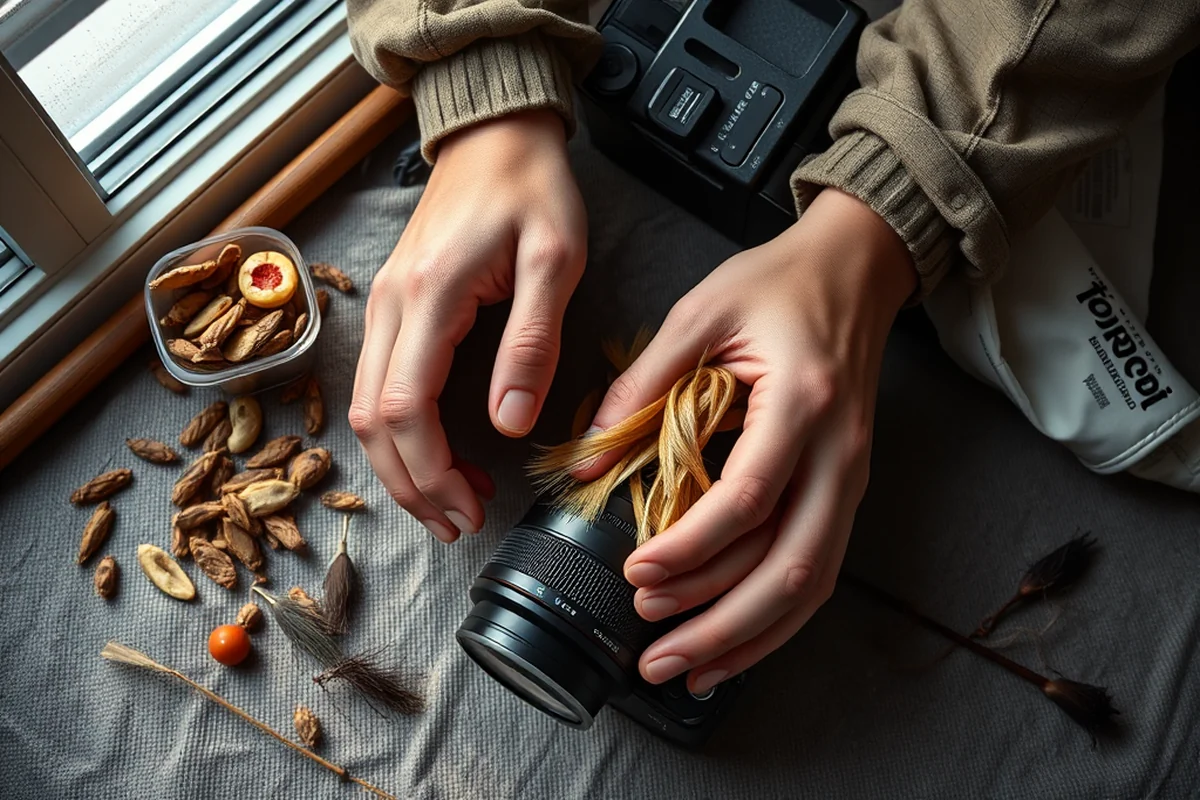
There’s a certain kind of peace that comes with fly fishing. It’s a sport that demands silence, both from the angler and from the environment. I remember one morning on the Nymboida River in Australia, where the only sound was the gentle lapping of the water against the rocks. It was a moment of pure stillness, and it reminded me why I love fly fishing.
In the silence, you become more attuned to the world around you. You hear the distant call of a bird, the rustle of a leaf in the wind, and the subtle movements of the fish beneath the surface. It’s a form of meditation that sharpens your senses and brings you into the present moment.
The silence of the river is one of the most powerful aspects of fly fishing. It’s a reminder that sometimes, the best things in life are not found in noise, but in stillness. It’s a lesson that stays with you long after the fishing is done.
Related: What is ai art generator
The Dance of the Fish and the Fly
The dance begins the moment the fly hits the water. It’s a moment of anticipation, a test of skill and patience. I’ve watched this dance unfold countless times, from the rivers of the Balkans to the lakes of the Canadian Rockies. Each time, it’s a different experience, and each time, it’s a reminder of the artistry involved in fly fishing.
The fish are the masters of this dance. They move with grace, slipping through the water like ghosts. They test the angler’s skill, their patience, and their ability to read the water. It’s a game of wit and strategy, and it’s one of the reasons why fly fishing is such a unique sport.
The dance of the fish and the fly is a moment of pure connection — a silent conversation between two worlds. It’s a reminder that fly fishing is not just about catching fish, but about understanding the rhythm of the river and the language of the water.
Related: Diamond art club
The Spirit of the Angler
At its core, fly fishing is about more than just catching fish. It’s about the journey, the lessons learned, and the spirit of the angler. I’ve met countless anglers over the years, each with their own story, their own way of approaching the river. Some are seasoned veterans, while others are just beginning their journey. But they all share one thing in common — a deep respect for the river and the fish.
Fly fishing teaches patience, persistence, and a deep understanding of nature. It’s a sport that rewards those who are willing to learn, to listen, and to follow the rhythm of the river. It’s a way of life that shapes the angler’s character and leaves a lasting impact on their soul.
The spirit of the angler is what makes fly fishing an art. It’s the quiet determination, the willingness to wait for the right moment, and the ability to appreciate the beauty of the river. It’s a spirit that is passed down through generations, and it’s one of the reasons why fly fishing continues to captivate people around the world.
The river teaches — listen closely.
Related: Best diamond art websites
The Legacy of Fly Fishing
Fly fishing has a rich history that dates back centuries. It originated in the 18th century in England, and it has since spread across the world, becoming a beloved sport in countries as diverse as Japan, Norway, and New Zealand. Each culture has its own unique approach to fly fishing, and each has contributed to the art form in its own way.
There are traditions, techniques, and stories that have been passed down through generations. I once visited a small village in Italy, where the elders still use the same tying methods that their grandfathers taught them. It was a humbling experience, and it reminded me of the deep roots that fly fishing has in the world of angling.
The legacy of fly fishing is one that continues to grow. It’s a sport that honors tradition, but it also embraces innovation and change. It’s a legacy that is carried forward by every angler who takes to the river with a fly rod in hand.
💰 Budget-Friendly Fly Fishing
Explore local rivers and lakes without breaking the bank — perfect for beginners or those with limited time.
🌄 Long Weekend Escape
A quick trip to a nearby river or lake, ideal for those who want a short but fulfilling fishing experience.
👨👩👧👦 Family Adventure
A trip designed for families, with activities tailored for children and adults alike.
❄️ Off-Season Angling
Experience the tranquility of fly fishing in the colder months, when the rivers are less crowded and the fish are more active.
🏨 Luxury Fly Fishing Retreat
A high-end experience that includes guided trips, fine accommodations, and gourmet meals in some of the most remote and scenic locations.
| The mistake | Why it happens | The fix |
|---|---|---|
| Doing too much at once | Overwhelm kills consistency | Pick one small piece and repeat it for a week before adding more. |
| Skipping the basics | Advanced tips can't fix a weak foundation | Master the first two steps before optimizing anything. |
Is Fly Fishing An Art
Common Questions
What equipment do I need to start fly fishing?
How long does it take to learn fly fishing?
Can I fly fish in any body of water?
What is the best time of year for fly fishing?
References
- REPORT RESUMES - ERIC (files.eric.ed.gov)
- Economic Impact - adpht.arkansas.gov (adpht.arkansas.gov)
- A HISTORY MONTANA'S FISHERIES DIVISION FROM 1945 TO 2000 (myfwp.mt.gov)
Cite this guide
Arts and Culture Travel (2026). Is Fly Fishing An Art. https://artwalksoul.com/is-fly-fishing-an-art/
Feel free to cite or share this guide.