
What Is Art Table
📖 Table of Contents
- What Is an Art Table, and Why Does It Matter?
- The Cultural Significance of Art Tables Around the World
- The Role of Art Tables in Local Communities
- How to Discover Art Tables While Traveling
- The Emotional Impact of Art Tables on Travelers
- How to Engage with Art Tables Respectfully
- The Future of Art Tables in a Digital Age
- Make It Your Way
- Frequently Asked Questions
The first time I stumbled upon an art table in a quiet corner of a Moroccan riad, I knew I was witnessing something rare. It wasn’t just the vibrant colors of the paintings or the delicate brushstrokes that caught my eye—it was the way the table itself seemed to breathe with the history of the place. That’s when I realized: an art table isn’t just a surface for displaying artwork. It’s a portal, a bridge between the artist and the observer, and a silent storyteller in its own right. What is art table? It’s more than a term. It’s a concept that invites us to pause, reflect, and see the world through a different lens.[1]
In the weeks that followed, I found myself drawn to art tables in unexpected places. From a small gallery in Kyoto that housed a single, minimalist sculpture to a bustling street market in Istanbul where vendors sold miniature paintings on tiny wooden tables, I began to understand the significance of this seemingly simple object. An art table isn’t just about aesthetics; it’s about intention. It’s where a painter leaves a piece of their soul, where a sculptor carves their thoughts, and where a traveler can feel the pulse of a culture in the most intimate of ways.
What is art table, you might ask? It’s a question that has led me on a journey across continents, through museums and open-air markets, into the homes of artists and the hearts of curious travelers. I’ve sat at art tables in bustling cities and serene villages, each one offering a different story, a different perspective. Some art tables were made of aged wood, creaking with the weight of years. Others were sleek and modern, reflecting the energy of a contemporary space. All of them, however, shared one thing: they were a place where art came to life, where the viewer and the creator could meet in the quietest of ways.[2]
Why You'll Love This Experience
- Immerse yourself in the culture through art without leaving the comfort of a local space.
- Discover hidden gems in unexpected places, from galleries to markets to private homes.
- Connect with local artists and gain insight into their creative process and inspirations.
- Find beauty in the smallest details, whether it’s the texture of the table or the emotion in a painting.
What Is an Art Table, and Why Does It Matter?
As of November 2026, an art table is not just a surface—it’s a canvas of possibility. Whether it’s a wooden table in a traditional Japanese home or a glass-topped stand in a modern European museum, it holds the essence of the space it inhabits. I remember sitting at an art table in a Kyoto tea house, where the table was covered with a single, small painting of a cherry blossom in full bloom. The details were so precise, the colors so vivid, that I felt as if I could smell the petals in the air.[3]
The significance of an art table lies in its ability to transform a space into a gallery, even if just for a moment. It’s where artists work, where they leave their mark on the world, and where travelers can witness the raw and unfiltered side of creativity. I’ve seen art tables used to display everything from calligraphy to pottery, from sculpture to performance art. Each table tells a different story, and each one invites the viewer to become part of that story.
What is art table, then, in the grander scheme of travel? It’s an invitation to slow down, to look more closely, and to see the world with fresh eyes. It’s an opportunity to connect with the culture of a place in a way that no tour guide or brochure ever could.
Don’t be afraid to explore spaces that aren’t on the typical tourist map. Some of the most meaningful art tables I’ve encountered were tucked away in local markets or hidden behind unassuming doors.
Part of our Art culture guide.
The Cultural Significance of Art Tables Around the World

In India, I came across an art table in a small village where a group of women painted intricate patterns on cotton fabric. Each piece was unique, and each table was a symbol of their collective identity. In contrast, in Florence, an art table was nothing more than a simple wooden surface where a young artist painted a scene of the city from memory. The differences were striking, but the common thread was the same: a deep connection between the artist and the table.
Art tables are more than just functional objects—they are cultural artifacts. In Morocco, I saw a table where a family had displayed generations of artwork, from vintage photographs to modern paintings. It was a living archive of their heritage, and it made me realize that art tables are not just for the present. They are for the past, the present, and the future.
The cultural significance of art tables is something that can’t be ignored. They are a way for communities to preserve their history, to celebrate their traditions, and to pass them on to future generations. They are a reminder that art is not just for the elite—it’s for everyone.
An art table is a cultural artifact, a living archive of a community’s history and identity.
Related: A clip art black and white
The Role of Art Tables in Local Communities
In a small village in Peru, I met a group of local artisans who used art tables to display their work in the town square. Each table was set up with different items: woven textiles, pottery, and even hand-carved wooden sculptures. The tables were not just for sale—they were for connection. People from all over the village would come to see the new pieces, and the artists would explain the stories behind each creation.
Art tables can also be found in schools, where students learn to paint, draw, and sculpt on their own mini tables. In a school in South Korea, I watched children create their own art tables out of scrap wood, learning not only about art but also about sustainability and teamwork. It was a powerful reminder that art is not just about aesthetics—it’s about education, empowerment, and community.
Art tables can be a source of income for local artists, especially in areas where tourism is a major industry. In Greece, I saw artists set up temporary tables along the beach, selling small pieces of their work to visitors. The tables were modest but effective, and the artists were proud to share their culture with the world.
When you see an artist working at a table, consider purchasing a piece or even just offering a compliment. Your support can make a real difference in their lives.
“The first time I stumbled upon an art table in a quiet corner of a Moroccan riad, I knew I was witnessing something rare.”— Arts and Culture Travel editors
Related: Soccer ball clip art
How to Discover Art Tables While Traveling
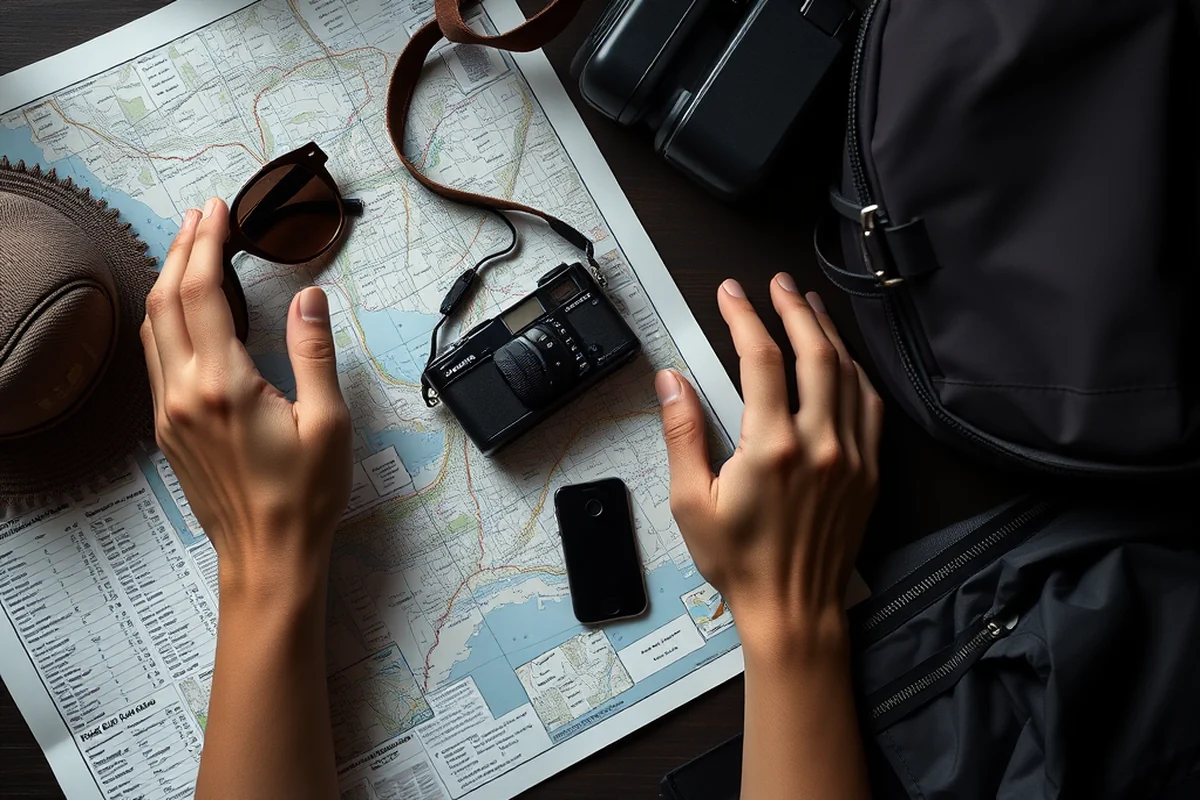
If you’re looking for art tables while traveling, start by exploring local markets. These are often the best places to find unique pieces from local artisans. In Marrakech, I found a small shop where an elderly man displayed his paintings on a table made from reclaimed wood. The table itself was a work of art, and the paintings were even more beautiful.
Another way to discover art tables is to visit local galleries. Many galleries have a small table where artists display their work before it’s put on the walls. In Paris, I saw a gallery where the tables were lined with sketches and unfinished pieces, giving visitors a glimpse into the creative process.
If you’re lucky, you might even find an art table in someone’s home. In Kyoto, I was invited to a traditional tea house where the host displayed a table with a single painting of a lotus flower. The table was modest, but the painting was breathtaking. It was a moment I’ll never forget.
Related: What is a design studio
The Emotional Impact of Art Tables on Travelers
There are few things that can bring a traveler to a standstill like an art table with a piece that speaks directly to them. In a small town in Mexico, I saw a table where a young artist had painted a portrait of a woman with such depth and emotion that I couldn’t help but feel as if she was looking back at me. It was a moment of pure connection, and it stayed with me long after I left.
Art tables can be a source of inspiration, even for those who don’t consider themselves artists. In a small café in Lisbon, a table was covered in a collage of photos and sketches from local residents. It was a celebration of the city, and it made me feel as though I was part of something bigger. I found myself sitting there for hours, just looking at the table and letting the stories and images wash over me.
The emotional impact of art tables can be profound. They can evoke joy, sadness, curiosity, or even nostalgia. In a museum in Istanbul, I saw a table where a woman had displayed a series of paintings that told the story of her life. Each piece was different, but they all shared a common theme: love. It was a powerful reminder of the universal language of art.
Related: Pixel art maker
How to Engage with Art Tables Respectfully
When you come across an art table, take a moment to observe it without touching it. If you’re in a gallery or a public space, there may be signs that indicate whether it’s appropriate to interact with the table or not. In some cases, the artist may be working at the table, and it’s important to be respectful of their space.
If you’re in a market or a small shop. You’re interested in purchasing a piece from an art table, be sure to ask the artist or the owner about the piece before you take it. In some cultures, it’s customary to haggle, but in others, it’s not. Understanding the local customs can make a big difference in your experience.
Above all, be respectful of the artist and their work. Art is a form of expression, and it deserves to be treated with care. Whether it’s a small painting on a table in a market or a large sculpture displayed on a gallery table, it’s important to appreciate it for what it is.
Art is a form of expression. Treat it with the respect it deserves.
Related: Art is ideas
The Future of Art Tables in a Digital Age
In today’s digital age, many people create and consume art through screens, but physical art tables still have a place in the modern world. They offer a tactile experience that can’t be replicated by a smartphone or a computer screen. I’ve seen art tables used in interactive installations where visitors can add their own contributions to the artwork, making it a shared experience.
Art tables also provide a sense of continuity in a world that is constantly changing. In a rapidly evolving society, art tables remain a constant—spaces where people can gather, create, and connect. In a city like Berlin, where the past and present often collide, art tables are a way to preserve the stories of the city while also creating new ones.
Despite the rise of technology, the future of art tables looks bright. They will continue to be a source of inspiration, connection, and creativity for people around the world. Whether in a small village or a bustling city, an art table will always have a place at the heart of the community.
💰 Budget-Friendly Art Table Exploration
Discover hidden art tables without breaking the bank by exploring local markets and community spaces.
⏳ Long Weekend Art Table Adventure
Pack light and spend three days exploring art tables in a single city, visiting galleries, markets, and public spaces.
👨👩👧👦 Art Table Travel with Kids
Introduce children to the world of art with interactive art tables that make creativity fun and engaging.
🍂 Off-Season Art Table Journey
Explore art tables in a quieter, more intimate setting during the off-season, when prices are lower and crowds are fewer.
💎 Luxury Art Table Experience
Indulge in a curated journey through exclusive galleries and private collections that showcase rare and high-end art tables.
| The mistake | Why it happens | The fix |
|---|---|---|
| Assuming all art tables are for sale. | Some art tables are meant for display or educational purposes and are not for purchase. | Always ask the artist or owner before assuming that a piece is available for sale. |
| Touching the artwork on an art table. | Touching artwork can damage the piece and may be considered disrespectful in many cultures. | Observe the art from a respectful distance. If you want to examine it more closely, ask for permission first. |
| Haggling in a place where it’s not customary. | In some cultures, haggling is not only frowned upon but can be seen as disrespectful to the artist or owner. | Research local customs before attempting to haggle. If in doubt, offer a fair price based on your perception of the artwork’s value. |
| Ignoring the context of the art table. | Art tables are often deeply connected to the culture and history of the place they’re in. Ignoring that context can lead to a shallow understanding of the work. | Take the time to learn about the culture and history of the place where you find the art table. This will help you appreciate the art on a deeper level. |
What Is Art Table
Common Questions
What should I do if I see an art table in a public space?
Can I buy artwork from an art table I see while traveling?
How can I find art tables in a new city?
Is it okay to ask questions about the art on an art table?
References
- a USer gUide to integrating WilderneSS character into parK ... (nps.gov)
- The Art of Cartography - Humanities Center - BYU (humanitiescenter.byu.edu)
- BACK INJURIES IN UNDERGROUND COAL MINING - CDC Stacks (stacks.cdc.gov)
Cite this guide
Arts and Culture Travel (2026). What Is Art Table. https://artwalksoul.com/what-is-art-table/
Feel free to cite or share this guide.