
Art Travel Workshops
📖 Table of Contents
- What to Expect in an Art Travel Workshop
- How to Pick the Right Art Travel Workshop
- The Benefits of Participating in Art Travel Workshops
- What to Bring on an Art Travel Workshop
- Workshops That Offer the Most Value
- How to Make the Most of Your Workshop Experience
- Staying Connected After the Workshop
- Make It Your Way
- Frequently Asked Questions
I remember standing in the middle of a bustling Moroccan souk, surrounded by the scent of saffron and the sound of artisans hammering metal, as I attended an art travel workshop that transformed my understanding of traditional crafts. These workshops are more than just a way to learn new skills—they’re a gateway to immersing yourself in the culture, history, and creativity of a place. I’ve spent countless hours in workshops across Europe, Asia, and the Middle East, and each one has left an indelible mark on me. Whether you're a seasoned traveler or someone just starting to explore the world, art travel workshops offer an unforgettable experience that blends hands-on learning with deep cultural connection.[3]
The best art travel workshops are those that allow you to engage directly with local artisans, using techniques passed down through generations. I once spent an entire day in a Kyoto workshop learning the ancient art of kintsugi, where broken pottery is repaired using gold. The lesson was not just in the craft itself but in the philosophy of imperfection and resilience. These workshops often take place in traditional studios, homes, or even open-air markets, giving you a front-row seat to the daily lives of the people you’re learning from. This kind of immersive experience is rare in conventional tourism and can make a trip feel deeply personal and meaningful.[4]
What sets art travel workshops apart is the opportunity to create something tangible that you can take home with you. I still have a small ceramic piece I made in Oaxaca, Mexico, and it reminds me of the warmth of the workshop and the laughter of the local potters. These experiences are not only educational but also deeply emotional, often leading to lasting friendships and a greater appreciation for the places you visit. Whether you're learning to paint in a Tuscan villa or carve wood in a Thai village, these workshops are a powerful way to connect with the world and bring a piece of it back with you.[5]
Why You'll Love This ...
- Learn traditional skills from local experts in a hands-on environment.
- Create a keepsake that reflects your journey and personal growth.
- Immerse yourself in the culture and history of a destination through art.
- Make authentic connections with artisans and fellow travelers.
What to Expect in an Art Travel Workshop
As of August 2026, Art travel workshops typically take place in small studios, artisan homes, or even open-air markets, depending on the location and medium being taught. I’ve attended a pottery class in a quiet village in Vietnam, where the instructor was a master craftsman who had been making ceramics for over 40 years. The atmosphere was warm and welcoming, with a focus on teaching not just the technique but also the history and symbolism behind each piece.[1]
Participants are often given the chance to create their own artwork using traditional materials and methods. In one workshop in Morocco, we used natural pigments and hand-ground minerals to paint on leather, just as artisans in the region have done for centuries. The process was slow and deliberate, emphasizing patience and precision, which made the experience even more rewarding.
These workshops are usually small, with a maximum of 6 to 8 participants, ensuring that everyone gets personalized attention. I found that the size of the group helped foster a sense of community, and many of my fellow travelers became lifelong friends. The instructors are not only skilled in their craft but also passionate about sharing their knowledge and culture with others.
Look for workshops that incorporate local history, traditions, or philosophy into the lessons. This adds depth to your experience and helps you understand the significance of the art form.
How to Pick the Right Art Travel Workshop
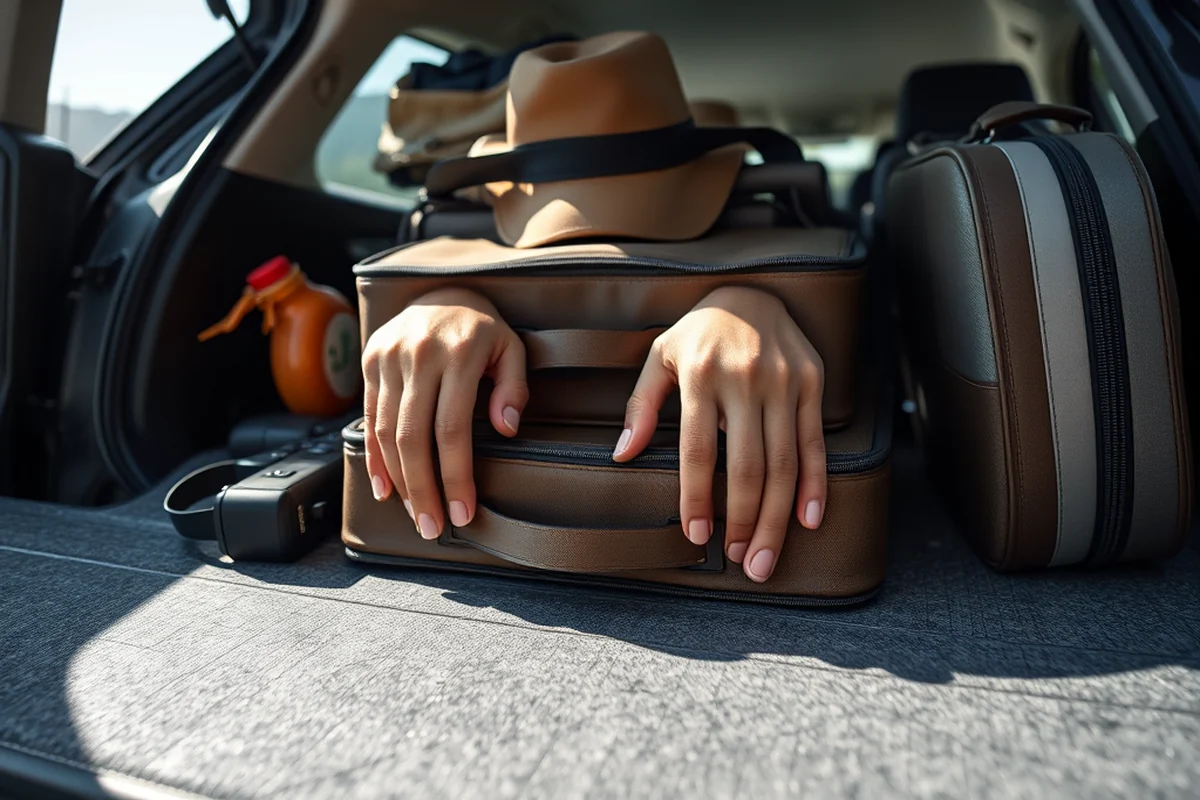
When choosing an art travel workshop, it's important to look into the instructor's credentials and experience. In one of my trips, I chose a weaving workshop in Peru because the instructor was a Quechua woman who had been teaching the craft for over 20 years. Her knowledge of the traditional techniques and the stories behind each pattern made the experience incredibly rich and meaningful.[2]
Another factor to consider is the type of materials and tools used. I once took a glassblowing workshop in Italy, and I was impressed by the fact that they used traditional furnaces and tools that had been passed down through generations. This level of authenticity can make a big difference in the quality of the experience and the final product.
It's also worth checking the reviews of past participants to get a sense of what to expect. I found that workshops with high ratings often had a strong focus on hands-on learning, cultural immersion, and personal growth. These reviews can help you avoid workshops that are more about tourism than genuine art education.
Choose a workshop that feels like a journey into the heart of a culture, not just a craft class.
Related: Travel art ideas
Related: Travel art simple
Related: Arts travel grants
Related: Art travel book
Related: Travel art
Related: August Clip Art
Related: Metropolitan Museum Of Art
Related: What Is High Museum Of Art
Related: Best Art Travel
Related: What Is Art Deco
Related: Cincinnati Art Museum
Related: A Teacher Clip Art
Related: Art Travel Blackwood
Related: What Is A Speed Art Museum
Related: What'S A Exhibition
Related: A Flower Line Art
Related: What Is 3D Pen Art
Related: What Is The National Gallery Of Art In Washington Dc
Related: Philadelphia Museum Of Art
Related: What Is An Aboriginal Art
Related: What Is Mandala Art About
Related: A Clip Art Black And White
Related: What Is Mandala Art
The Benefits of Participating in Art Travel Workshops
One of the greatest benefits of participating in art travel workshops is the opportunity to learn new skills in an authentic setting. I’ve learned everything from calligraphy in Japan to woodcarving in Indonesia, each experience enriching my understanding of different artistic traditions. These skills often stay with you long after the trip is over, giving you a new appreciation for the craft and the culture behind it.
Another benefit is the deep cultural immersion that comes with working alongside local artisans. In one of my favorite workshops, I was invited to help an elderly craftsman in Vietnam finish a piece of woodwork. The way he guided me through the process, sharing stories and techniques, was an unforgettable experience that I will never forget.
Beyond the technical skills, these workshops also offer a sense of personal growth and self-discovery. I’ve found that the act of creating something with my own hands, using traditional methods, is deeply satisfying. It’s a reminder of the power of creativity and the connections that can be made through shared experiences.
Some workshops are designed for beginners, while others are more advanced. Make sure to choose a workshop that matches your experience and interests for the best results.
“I remember standing in the middle of a bustling Moroccan souk, surrounded by the scent of saffron and the sound of artisans hammering metal, as…”— Arts and Culture Travel editors
Related: Art Travel Board
Related: Art Travel Destinations
Related: The High Museum Of Art Atlanta
What to Bring on an Art Travel Workshop
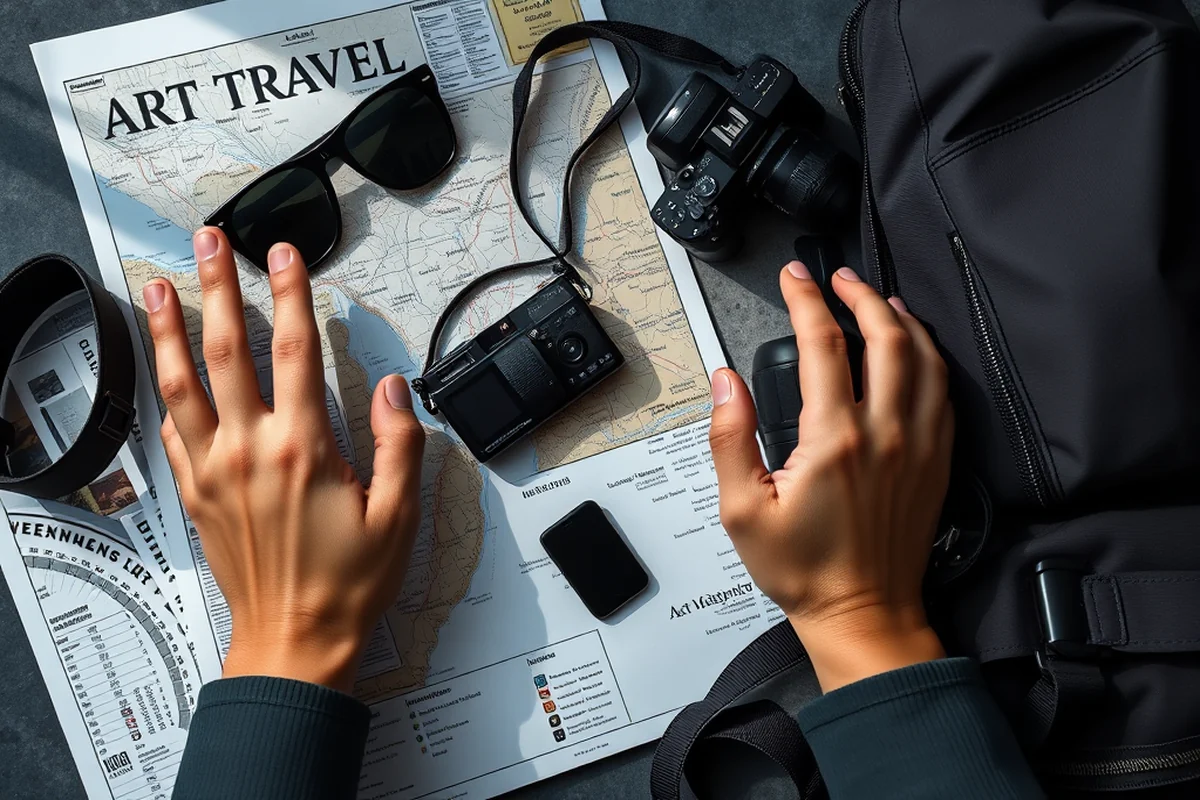
When attending an art travel workshop, it’s important to bring a few essential items that will help you get the most out of the experience. I always pack a small notebook and pen to take notes during the lessons, as well as a few personal items like a water bottle or a small towel for use during the workshop.
It’s also a good idea to bring any specific materials you may need for the workshop, if they are not provided. In some cases, workshops may require you to bring your own brushes, paints, or other tools. This can help you be more prepared and comfortable from the start.
Most importantly, it’s essential to bring an open mind and a willingness to learn. I’ve found that the best workshops are those where participants are curious, respectful, and eager to engage with the local culture. This attitude often leads to a more meaningful and rewarding experience.
Workshops That Offer the Most Value
I’ve attended workshops in various countries, and the ones that left the biggest impact on me were those that combined hands-on learning with a deep respect for the local culture. One such workshop was in a small village in Greece, where we learned traditional pottery techniques and even had the opportunity to tour the village’s historical sites.
Another valuable aspect of workshops is the opportunity to interact with other travelers who share a similar interest in art and culture. I’ve met some of my closest friends through these experiences, and the connections made often extend far beyond the workshop itself.
The most valuable workshops also encourage reflection and personal growth. In one workshop in Mexico, we were asked to think about the meaning behind the art we were creating and how it reflected our own values and experiences. This kind of introspection can be incredibly rewarding and transformative.
How to Make the Most of Your Workshop Experience
Being fully present during the workshop is one of the best ways to make the most of the experience. I’ve found that workshops that take place in quiet, traditional settings often encourage a sense of mindfulness and focus, which can enhance the learning process. It’s important to put away distractions and truly engage with the lesson.
Asking questions is another key part of the experience. I’ve learned that many instructors are happy to share additional insights and stories if you show genuine interest. This not only helps you understand the craft better but also allows you to form a deeper connection with the instructor and the local culture.
Finally, embracing the learning process is essential. I’ve found that the best workshops are those where participants are willing to make mistakes, learn from them, and continue improving. This attitude can lead to a more fulfilling and rewarding experience overall.
Be curious, be present, and let the workshop shape you as much as you shape your art.
Staying Connected After the Workshop
After attending an art travel workshop, it’s a good idea to stay in touch with the people you met. I’ve kept in contact with several fellow travelers and workshop instructors through social media, and we often share updates on our own creative projects and travels.
Some workshops also offer post-workshop support, such as online communities or follow-up classes. I’ve participated in a few workshops that had online discussion groups where we could continue learning and sharing ideas even after the trip was over.
Maintaining these connections can help you stay inspired and motivated, and it can also lead to new opportunities for collaboration or future travel. I’ve even had the chance to return to a workshop for a follow-up session, which was a rewarding way to continue my learning and deepen my connection with the workshop community.
💰 Budget-Friendly Art Travel
Explore affordable art workshops in developing countries, where local artisans offer hands-on experiences at a fraction of the cost.
📅 Long Weekend Escape
Take a short trip to a nearby city or village and immerse yourself in a local art scene over a few days.
👨👩👧👦 Art Travel with Kids
Choose family-friendly workshops that teach creative skills to children while allowing parents to learn something new as well.
🍂 Off-Season Art Getaway
Travel during the off-season for lower prices and a more intimate experience in art workshops that are often less crowded.
💎 Luxury Art Immersion
Indulge in high-end art workshops that offer private lessons, gourmet meals, and exclusive access to local artisans.
| The mistake | Why it happens | The fix |
|---|---|---|
| Assuming the workshop will be easy and not requiring effort. | Many workshops are physically and mentally demanding, requiring focus, patience, and hands-on participation. Assuming it will be easy can lead to a disappointing experience. | Be prepared to put in the effort. Research the workshop in advance and be ready for a challenging but rewarding experience. |
| Not researching the instructor or the workshop's reputation. | This can lead to a low-quality experience or even a workshop that doesn't align with your values or interests. | Always research the instructor, read reviews, and check for any red flags before booking. |
| Not respecting local traditions or cultural norms during the workshop. | This can be offensive to the local community and may result in being asked to leave the workshop. | Be respectful, ask questions when unsure, and follow the instructions and traditions of the local artisans. |
| Not bringing the necessary materials or tools. | This can disrupt the flow of the workshop and may cause you to miss out on important parts of the lesson. | Check with the workshop organizer in advance to see what materials you should bring and prepare accordingly. |
Art Travel Workshops
Common Questions
What if I have no experience with the art form?
How long do the workshops usually last?
Can I take the artwork I create home with me?
Are the workshops safe and respectful of local traditions?
Cite this guide
Arts and Culture Travel (2026). Art Travel Workshops. https://artwalksoul.com/art-travel-workshops/
Feel free to cite or share this guide.
References
- Learning Tuscany: Art and Culture in Central Italy (art.utexas.edu)
- Workshops & Residencies - Art - University of Tennessee, Knoxville (art.utk.edu)
- Riggio Undergraduate Travel Seminar | Department of Art History ... (arthistory.columbia.edu)
- Travel & Internships - Department of Art (art.byu.edu)
- Art Works - Montana Arts Council (art.mt.gov)