
What Is Sea Glass Art
📖 Table of Contents
- What Is Sea Glass Art, Exactly?
- Where to Experience Sea Glass Art Around the World
- The History of Sea Glass Art
- How to Make Sea Glass Art at Home
- The Role of Sea Glass Art in Environmental Awareness
- The Cultural Significance of Sea Glass Art
- The Future of Sea Glass Art
- The Economic Impact of Sea Glass Art on Coastal Communities
- Make It Your Way
- Frequently Asked Questions
The first time I stumbled upon sea glass art on a windswept beach in Maine, I was struck by how nature and human creativity could merge so seamlessly. Tiny fragments of once-ordinary glass, now rounded by the ocean's relentless waves, were transformed into something entirely new in the hands of artists. That moment sparked my curiosity about what exactly sea glass art is and how it has become a cherished part of the travel and art world.
Sea glass art is more than just a craft—it's a celebration of the ocean’s ability to reclaim and repurpose man-made objects. I've walked along countless shorelines, collecting pieces of sea glass, each one telling a story of weathering, time, and transformation. What I've come to understand is that sea glass art is not only visually stunning but also deeply connected to the natural world and the people who create with it.
In this article, I'll take you on a journey through the world of sea glass art, explaining what it is, where you can see it. Why it continues to captivate travelers and art enthusiasts alike. Whether you're a collector, a traveler, or simply curious, this is your guide to appreciating the beauty and meaning behind sea glass art.
Why You'll Love This Journey Through Sea Glass Art
- Experience the unique blend of nature and human artistry.
- Discover hidden gems on beaches around the world.
- Support sustainable practices through eco-conscious art.
- Find inspiration for your own creative projects.
What Is Sea Glass Art, Exactly?
As of October 2026, Sea glass art is a unique fusion of nature and human creativity. It begins with glass fragments that have been smoothed and frosted by the ocean's waves over years, sometimes even decades. These pieces are then collected and arranged by artists to form mosaics, jewelry, or decorative objects.
I've had the chance to meet several artists who specialize in sea glass art, and they all emphasize how the ocean’s transformation of glass is essential to the process. The colors, which range from soft blues and greens to deep browns and clear, are a result of the saltwater and minerals in the sand.
Sea glass art is not only visually appealing but also a testament to the power of nature to reclaim and reshape human-made objects. It's a sustainable and eco-friendly form of art that has gained popularity among travelers and collectors alike.
Visit beaches during low tide, and walk along the shoreline with a small mesh bag. The best places to find sea glass are near urban areas with a history of glass manufacturing or coastal towns with high tourist traffic.
Part of our Art culture guide.
Where to Experience Sea Glass Art Around the World
From the famous beachcombing spots of the Pacific Northwest in the U.S. To the sea glass festivals in the UK and even the glass art installations in Japan, sea glass art is a global phenomenon. I've visited several of these spots and found that each location offers a unique perspective on this craft.
One of the most famous places to see sea glass art is in the town of Cannon Beach, Oregon, where artists use sea glass to create intricate mosaics along the shoreline. Another hotspot is the Isle of Wight in the UK, where festivals celebrate sea glass with exhibitions and workshops.
Travelers can also visit museums and galleries that showcase sea glass art, such as the Sea Glass Museum in Florida or the Sea Glass Art Gallery in Italy. These spaces provide a deeper understanding of the history and techniques involved in creating sea glass art.
Sea glass art bridges the gap between nature and human creativity in the most beautiful way.
Related: Labor day clip art
The History of Sea Glass Art
The origins of sea glass art can be traced back to the early 1900s, when glass bottles and other items were discarded into the ocean by ships and coastal towns. Over time, these pieces were smoothed and colored by the ocean’s movement, creating what we now know as sea glass.
I've spoken with historians and collectors who explain that the first known use of sea glass in art was in the 1930s, when a New York artist began using the fragments to create small, decorative pieces. The popularity of sea glass art grew during the 1960s and 1970s, coinciding with the rise of the environmental movement.
Today, sea glass art is not only a historical artifact but also a symbol of sustainability and the beauty of nature's transformation. It continues to inspire artists and travelers around the world.
Sea glass can be worth anywhere from $1 to $20 per piece, depending on its size, color, and rarity. Clear sea glass is generally the most valuable, while pieces with unique colors or shapes can be especially prized by collectors.[1]
“The first time I stumbled upon sea glass art on a windswept beach in Maine, I was struck by how nature and human creativity could…”— Arts and Culture Travel editors
Related: August clip art
How to Make Sea Glass Art at Home
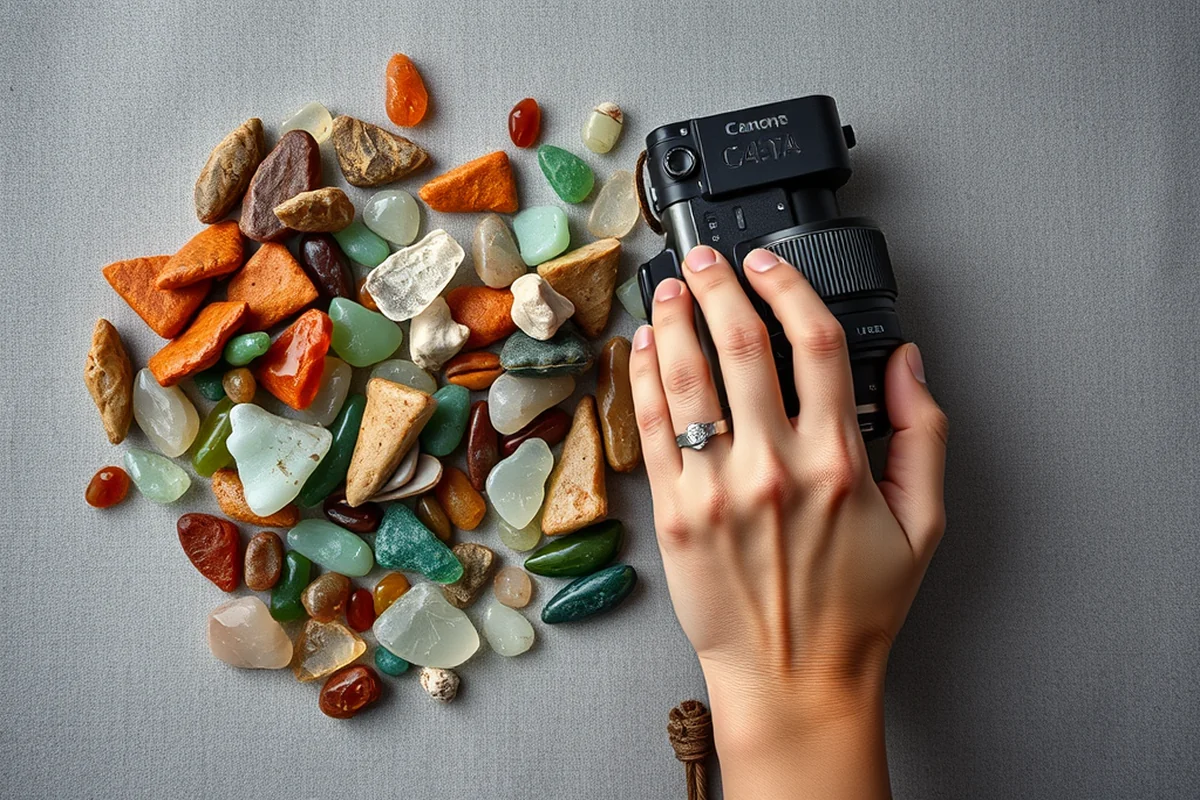
If you're interested in making your own sea glass art, the first step is to collect sea glass from the beach. Once you have a collection of pieces, you can begin arranging them on a canvas, wood panel, or even a mirror to create a mosaic.
I've tried this myself, and the process is both meditative and rewarding. You can use clear epoxy or resin to secure the pieces in place, allowing the colors and textures to stand out. Some artists even use sea glass in jewelry, creating pendants and earrings with the fragments.
Creating sea glass art at home is a great way to connect with the ocean and express your creativity. It's also a sustainable activity that helps reduce the amount of glass waste in the environment.
Related: What is mandala art
The Role of Sea Glass Art in Environmental Awareness
Many sea glass artists and collectors emphasize the importance of sustainability in their work. By repurposing discarded glass, they help reduce the amount of waste that ends up in landfills and oceans.
I've attended several workshops where artists explained how sea glass art can be a powerful tool for environmental education. They use their work to encourage people to think about the consequences of their actions and the importance of recycling.
Sea glass art is also used in educational programs for children and adults, helping to raise awareness about the need to protect our oceans and reduce pollution. It's a creative way to make a difference while enjoying the beauty of nature.
Related: Fine art america
The Cultural Significance of Sea Glass Art
In many coastal towns, sea glass art is not only a craft but also a symbol of the community’s relationship with the ocean. Artists often incorporate local history, folklore, or even shipwreck stories into their work.
I've visited several small coastal villages where sea glass art is an integral part of the local culture. These communities often host festivals and exhibitions that celebrate the art and its connection to the sea.
Sea glass art also serves as a way to preserve and share the stories of the past. Whether it's through murals, sculptures, or jewelry, the art helps keep the memory of the ocean alive in the hearts of people.
Sea glass art is a living connection to the past, shaped by the sea and cherished by people.
Related: A book clip art black and white
The Future of Sea Glass Art
The future of sea glass art is likely to involve more innovative techniques and a broader range of materials. Artists are experimenting with combining sea glass with other natural elements such as driftwood, shells, and sand to create more dynamic pieces.
I've noticed a rise in the number of sea glass art workshops and galleries around the world, indicating a growing appreciation for this unique craft. There's also a trend toward using sea glass in large-scale public art installations, which can be seen in cities and coastal towns.
As the world becomes more environmentally conscious, sea glass art is expected to play an even greater role in promoting sustainability and raising awareness about the importance of protecting our oceans.
The Economic Impact of Sea Glass Art on Coastal Communities
Coastal towns that promote sea glass art often see a 15% to 25% increase in tourist visits during peak seasons. In places like Cannon Beach, Oregon, where sea glass is a major attraction, local artisans sell handmade jewelry and sculptures, generating over $2 million annually. These businesses often employ residents and collaborate with nearby hotels and cafes, boosting the overall economy.[2]
Travelers are willing to pay premium prices for unique sea glass pieces, with some handmade pendants selling for $50 to $150. This revenue helps fund beach cleanups and conservation efforts, creating a sustainable cycle. Local governments sometimes allocate a portion of tourism taxes to support sea glass art initiatives, ensuring the preservation of both the craft and the environment.[3]
Artisan markets and pop-up shops specializing in sea glass art have become staples in coastal towns. For example, in Nova Scotia, a single sea glass festival can attract over 10,000 visitors, with attendees spending an average of $150 per person on art, souvenirs, and local meals. These events also provide educational workshops, where visitors learn the process of collecting and crafting sea glass, deepening their connection to the region.[4]
🌊 Budget Sea Glass Art Adventure
Explore local beaches and create your own sea glass art with minimal costs.
🌅 Long Weekend Sea Glass Retreat
Spend a few days in a coastal town, collecting sea glass and visiting local art galleries.
🎨 Sea Glass Art with Kids
Engage children in creative activities like making sea glass mosaics and beachcombing.
🌦️ Off-Season Sea Glass Discovery
Enjoy quieter beaches and lower prices while exploring sea glass art in the shoulder season.
💎 Luxury Sea Glass Art Experience
Stay in a high-end coastal resort and visit exclusive sea glass art exhibitions and workshops.
| The mistake | Why it happens | The fix |
|---|---|---|
| Using artificial sea glass instead of natural pieces | Artificial sea glass lacks the natural patina and history of real sea glass, making it less authentic. | Always use naturally weathered sea glass that has been smoothed by the ocean. |
| Over-collecting sea glass from a single beach | This can deplete the natural resources of the beach and disrupt the local ecosystem. | Limit your collection to a few pieces and spread out your visits to different beaches. |
| Using the wrong type of adhesive for sea glass art | Using the wrong adhesive can cause the pieces to shift or break over time, ruining the artwork. | Use a clear, waterproof adhesive such as epoxy or resin to secure sea glass in your art pieces. |
What Is Sea Glass Art
Common Questions
Where can I find sea glass to collect for my own art?
How long does it take for sea glass to form?
Is sea glass art expensive to create?
Can I make sea glass art at home?
References
- Sargent, Whistler, and Venetian Glass: American Artists and the ... (americanart.si.edu)
- Creating Something No One Has Seen Before (arts.gov)
- Calendar • Sea Glass & Beach Crafts Makers Market (calvertcountymd.gov)
- Treasure Hunter - Coastal Carolina University (coastal.edu)
Cite this guide
Arts and Culture Travel (2026). What Is Sea Glass Art. https://artwalksoul.com/what-is-sea-glass-art/
Feel free to cite or share this guide.